
How to Source Lenalidomide Safely in 2026? The question is no longer about finding the lowest price. It is about verifying every step between the manufacturer and the patient. Lenalidomide is a powerful prescription medicine used in carefully defined treatment plans. Its sourcing requires medical oversight, documented authorization, and reliable distribution.
Dr. Sagar Lonial, a leading multiple myeloma specialist, has emphasized: “The goal of treatment is to control the disease while maintaining quality of life.” That principle should guide every purchasing decision. A legitimate source should provide a traceable product, an intact package, a valid expiry date, and clear storage instructions. The dispensing pharmacy should operate under applicable national regulations. It should also confirm the prescription and required safety controls.
Small details matter. Check the lot number against the invoice. Inspect the blister foil for damage. Ask whether temperature exposure occurred during shipping. Do not accept unexplained substitutions. Never rely on marketplace listings, social media sellers, or unusually cheap offers. They may conceal counterfeit, diverted, or improperly stored products.
There is room for caution here. Even official-looking packaging can mislead. I would not treat a familiar logo as proof of authenticity. A pharmacist or regulator should verify questionable stock before use. Patients also need counseling about pregnancy prevention, blood-count monitoring, interactions, and missed doses. Safe sourcing is not a single purchase. It is a documented chain of decisions, reviewed by qualified professionals. That process may feel slower. It is still the safer choice.
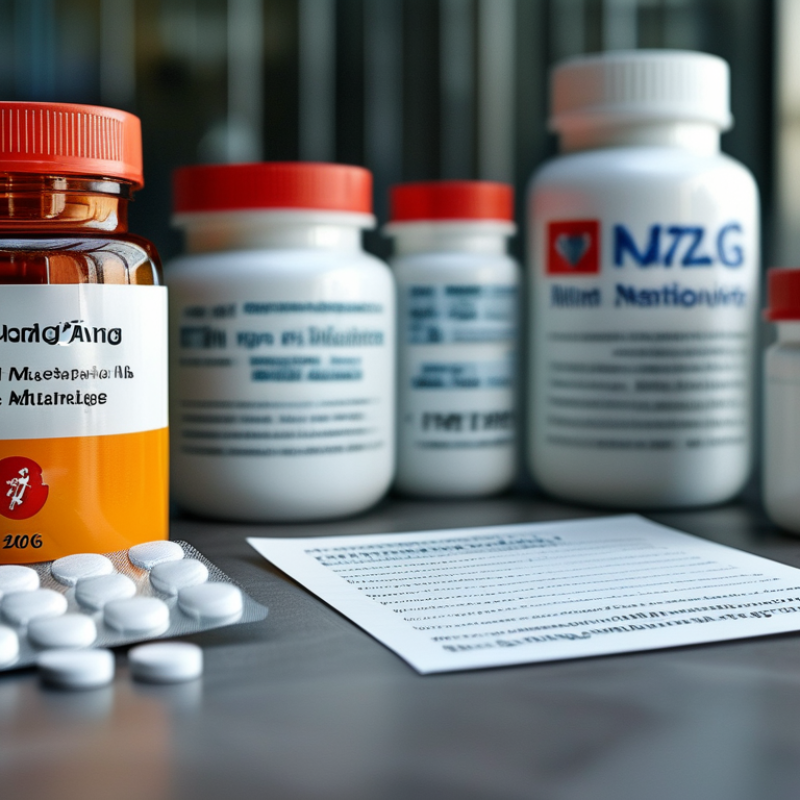
Safe lenalidomide sourcing begins with a legal prescription and a licensed pharmacy. In the United States, dispensing follows strict risk-management controls. Requirements can include prescriber registration, patient counseling, pregnancy testing, and documented contraception. European rules also require controlled distribution and risk-minimization procedures. Rules differ by country. Check the regulator’s current guidance before ordering.
The medicine is used for multiple myeloma, certain myelodysplastic syndromes, and some lymphomas. The U.S. prescribing information describes two pivotal relapsed-myeloma trials involving 703 patients. It also reports a 205-patient study in myelodysplastic syndromes. Important risks include severe birth defects, blood clots, low blood-cell counts, infections, and kidney-related dosing problems. A recent creatinine result matters. So does the full medication list.
A safe buyer should verify the pharmacy’s license, prescription requirements, sealed packaging, batch details, expiry date, and storage conditions. Avoid sellers offering unusually cheap capsules or refusing pharmacist contact. WHO’s global surveillance work continues to identify falsified and substandard medicines as a public-health threat. A genuine-looking box is not proof. I would still pause when an online supplier asks for payment before reviewing a prescription. That caution may feel inconvenient, but lenalidomide is not suitable for casual self-treatment. Always confirm the product and monitoring plan with an oncology pharmacist or licensed prescriber.
How to Source Lenalidomide Safely in 2026?
Safe access starts with a licensed prescriber, not an online search result. Confirm the clinician’s registration through the relevant national medical directory. Ask whether they can legally prescribe lenalidomide for your diagnosis. Authorized pharmacy channels should verify the prescription, patient eligibility, and required safety monitoring. In some regions, dispensing follows a restricted distribution program. Rules vary by country, so local confirmation matters.
WHO reports that one in ten medical products in low- and middle-income countries may be substandard or falsified, according to its 2017 global surveillance summary. That risk makes traceability essential. Use a pharmacy listed by the national regulator or professional pharmacy authority. Check the sealed packaging, batch details, expiry date, and patient instructions. Do not accept loose capsules, unexplained substitutions, or payment requests through social media. A licensed pharmacist should answer questions about handling, storage, and missed doses.
Tips: Request the pharmacy’s license number before payment. Ask for a written dispensing record. Confirm that the prescriber and pharmacy communicate directly. Keep every receipt and delivery label. If the packaging looks damaged, pause and contact the pharmacist. These checks are practical, but not perfect. A valid website alone does not prove authorization. Recheck the channel before each refill, because ownership and licensing status can change.
Identify Licensed Prescribers and Authorized Pharmacy Channels
This compliance matrix shows the controls that should be verified before obtaining lenalidomide through a lawful supply channel. A value of 1 means the control should be present; 0 means the channel is not a valid substitute for that control. Prescription rules, patient-safety programs, and pregnancy-prevention requirements may vary by jurisdiction, so confirm the requirements with the relevant national medicines regulator.
How to Source Lenalidomide Safely in 2026?
Safe sourcing begins with supplier verification, not price comparison. Confirm the supplier’s current wholesale or pharmacy license with the relevant national authority. Request evidence of compliant manufacturing, distribution, and storage practices. Documentation should include a batch-specific certificate of analysis, invoice, lot number, expiry date, and chain-of-custody records. Requirements differ by jurisdiction. Check them directly.
A clean box is not proof. Compare tamper-evident features, printing quality, dosage strength, and batch details against official records. Ask the supplier to explain discrepancies before accepting delivery. The World Health Organization estimated that one in ten medical products in low- and middle-income countries may be substandard or falsified (WHO, A Study on the Public Health and Socioeconomic Impact of Substandard and Falsified Medical Products, 2017). That figure deserves caution, not panic. FDA supply-chain guidance also emphasizes interoperable electronic tracing and transaction documentation under the Drug Supply Chain Security Act (FDA, 2023).
Lenalidomide requires controlled professional oversight because of serious reproductive and hematologic risks. A pharmacist or qualified procurement officer should confirm prescribing, dispensing, storage, and import requirements. Verify the authorized distribution pathway, patient safeguards, and any required risk-management enrollment. Never depend on an emailed certificate alone. I have seen how tidy paperwork can create false confidence; supplier identity, product data, and shipment history must agree. If one record is missing, pause the purchase and seek independent verification.
Safe lenalidomide sourcing begins with a licensed pharmacy, a valid prescription, and documented verification. Confirm the supplier’s authorization, product strength, batch number, expiry date, and tamper-evident packaging. A barcode helps, but it is not proof.
The World Health Organization estimated that one in ten medicines in low- and middle-income countries may be substandard or falsified in its 2017 global surveillance report. That risk makes independent purchasing unsafe.
Ask the dispensing pharmacist to verify the product against the prescription and approved labeling. Keep capsules in their original container. Do not crush, open, or repackage them.
Pregnant people should avoid handling them, and caregivers should use disposable gloves when contact is unavoidable.
Storage needs discipline.
Follow the exact temperature, humidity, and light instructions on the dispensing label, rather than relying on assumptions. Keep the container locked away from children and animals.
For delivery, use a trackable service with discreet, damage-resistant packaging. The receiving patient should inspect seals and confirm that the parcel was not exposed to extreme heat or moisture. Delays or damaged packaging require pharmacist review before use.
USP <800> emphasizes risk-based controls for hazardous drugs, including proper handling, spill response, and disposal.
A practical weakness remains: many households lack a written spill plan. Keep one nearby.
Never place unused capsules in household trash or share them with another person.
Safe access to lenalidomide begins with a valid prescription and a licensed pharmacy. Ask the pharmacist to confirm the medicine, strength, quantity, and expiry date. Compare the label with your prescription before leaving the counter. Keep the original packaging and record the lot number. Do not buy capsules through social media, anonymous websites, or informal sellers. The lowest price may hide serious quality concerns.
Monitor treatment responsibly. Keep scheduled appointments for blood tests and clinical reviews. Record new bruising, unusual bleeding, persistent fever, severe rash, numbness, or breathing problems. Pregnancy prevention requirements must be followed exactly, including required testing when applicable. Store capsules securely, away from children, pets, heat, and moisture. Never share them or handle damaged capsules without professional advice.
Report suspected problems quickly. Contact the prescribing clinician or pharmacist if the package is damaged, the capsules look unusual, or instructions conflict. Provide the product name, strength, lot number, purchase source, symptoms, and treatment dates. Serious reactions may also require reporting through the appropriate national medicines regulator. Keep photographs and receipts when safe to do so. One uncomfortable truth remains: people sometimes dismiss mild symptoms until they become serious. I once considered a brief symptom too minor to mention; that habit needs correcting. Speaking up early protects both the patient and the wider treatment system.
: It may treat multiple myeloma, certain blood disorders, and some lymphomas. Treatment depends on your diagnosis.
Safe dispensing requires a valid prescription and a licensed pharmacy. Rules differ between countries. Check current local requirements.
Requirements can include prescriber registration, patient counseling, pregnancy testing, and documented contraception. Monitoring is part of treatment.
Important risks include severe birth defects, blood clots, low blood-cell counts, infections, and kidney-related dosing problems. Recent kidney results matter.
Verify its license, prescription process, pharmacist contact, sealed packaging, batch number, and expiry date. Unusually cheap capsules deserve caution.
No. A barcode can help, but it does not prove authenticity. Not just the box.Ask a pharmacist to compare the product with approved labeling.
Keep capsules in their original container, away from children and animals. Follow the labeled temperature, humidity, and light instructions.Do not crush, open, or repackage capsules. Pregnant people should avoid handling them. Caregivers should use disposable gloves when necessary.
Do not use capsules after damaged seals, moisture exposure, or extreme heat. Contact a pharmacist before taking them.Use trackable delivery whenever possible. Inspect the parcel promptly.
Never share unused capsules or place them in household trash. Follow local pharmacy disposal guidance.Keep a written spill plan nearby. Many households forget this step. That weakness is worth correcting.
Sourcing Lenalidomide safely in 2026 requires a careful, law-abiding approach centered on patient protection. Before obtaining it, patients and caregivers should understand its approved medical uses, potential risks, contraindications, and strict safety requirements. Treatment must be prescribed by a licensed healthcare professional and supplied through an authorized pharmacy or regulated healthcare channel. Buyers should avoid unverified websites and independent sellers, and confirm that the product, packaging, labeling, batch details, and accompanying documentation are consistent with legitimate pharmaceutical standards.
Safe use also depends on following professional instructions for ordering, transport, storage, and handling. Lenalidomide should be kept under the recommended conditions and used only by the intended patient. Patients should attend regular medical appointments, complete required monitoring, report side effects promptly, and notify healthcare professionals about suspected counterfeit, damaged, or improperly delivered products. When in doubt, consult a pharmacist, prescriber, or relevant health authority before taking any action.