
25 Sorafenib Buying Tips for Global Buyers?

Time:2026-09-15 Author:Liam
0%

Buying sorafenib internationally requires more than comparing prices or delivery promises. This guide, built around 25 Sorafenib buying tips, helps global buyers assess suppliers with greater care. Sorafenib is a prescription medicine used in specific cancer treatment settings. Purchasing decisions should involve qualified oncology professionals and authorized pharmaceutical channels.

Reliable sourcing begins with supplier verification. Check licensing, manufacturing standards, product registration, and traceable batch information. Request a certificate of analysis when appropriate. Confirm the manufacturer, strength, dosage form, packaging, and expiry date. The package should arrive sealed, readable, and undamaged. Small details matter. A missing label can create serious uncertainty.

Cross-border orders also involve different regulatory systems. Import rules, prescription requirements, customs procedures, and pharmacovigilance obligations may vary by destination. Buyers should consult national health authorities, licensed distributors, and experienced pharmacists. Avoid sellers offering unusually low prices, vague documentation, or guaranteed medical outcomes. Those signals deserve attention.

The guide also examines payment safeguards, shipping conditions, returns, communication standards, and record keeping. It separates practical verification from assumptions that often appear in online marketplaces. No checklist is flawless. Even experienced buyers can overlook a changed supplier address or an inconsistent batch number. That is why independent confirmation remains valuable. The goal is not to encourage self-medication or unauthorized importing. It is to support careful, lawful, and evidence-informed purchasing decisions, while keeping patient safety at the center.
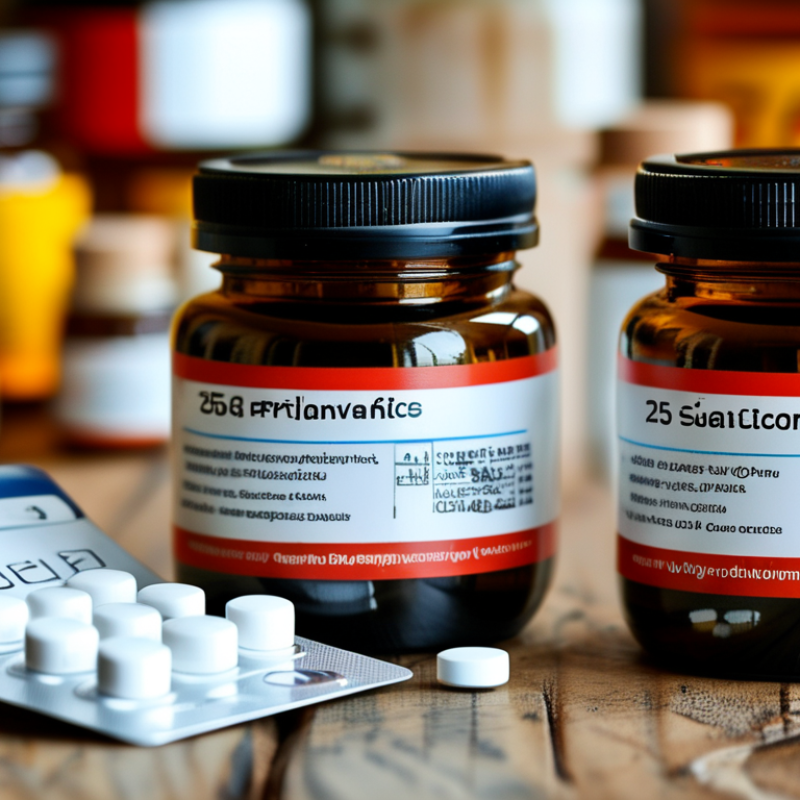
25 Sorafenib Buying Tips for Global Buyers?

Understanding Sorafenib, Its Uses, and Global Market Forms

Sorafenib is an oral kinase inhibitor used for specific cancers, including certain liver, kidney, and thyroid cancers. It is usually supplied as film-coated tablets containing a defined strength of the active ingredient. Global buyers should understand that “sorafenib” does not describe one universal market form. Products may differ in tablet strength, pack size, excipients, labeling, and registration status.

A reliable purchasing review begins with the product specification. Check the active ingredient, strength, dosage form, batch number, expiry date, and storage conditions. Packaging should remain sealed, readable, and traceable. Ask for a certificate of analysis and evidence of good manufacturing practice. Confirm that the supplier can provide legally valid export documents and that the product is registered or importable in the destination market. Prescription controls vary widely.

Price deserves caution. A low quotation may reflect shorter expiry, unusual packaging, or incomplete documentation. It is not always a saving. Compare total landed cost, insurance, customs requirements, and quality verification. Avoid products with damaged cartons or unclear language. Tablet appearance can support a visual check, but it cannot confirm identity or purity. That part is easy to overlook.

For hospitals and licensed distributors, demand forecasts should match treatment protocols and local oncology guidance. Keep records for every batch received. Storage should follow the approved product information, commonly at controlled room temperature and away from excess moisture. I would also review supplier performance after delivery, because one successful shipment proves very little. Availability changes, and regulations change faster than many purchasing plans.

Checking Prescription Requirements, Suppliers, Quality, and Authenticity

25 Sorafenib Buying Tips for Global Buyers?

Sorafenib is a prescription medicine, so confirm the requirements in your country before placing an order. A licensed healthcare professional should assess whether it is suitable for the patient. Do not rely on social media sellers, informal marketplaces, or suppliers promising “no prescription” access. Regulations differ widely. They also change.

Check the supplier’s legal registration, pharmacy authorization, and physical business address. Ask for a current certificate of analysis, batch number, expiry date, storage conditions, and traceability records. The documents should match the product label. Contact the issuing authority when possible. A professional supplier will answer clearly, not pressure you to pay quickly. I once treated a polished website as proof of reliability. That was a poor assumption.

Inspect the package when it arrives. Look for intact seals, readable printing, consistent tablet appearance, and a valid batch code. Confirm that the medicine was transported under suitable temperature and humidity conditions. Packaging alone cannot prove authenticity. A pharmacist or independent laboratory may need to verify it. Avoid products with altered labels, missing leaflets, suspiciously low prices, or unclear manufacturer details. Keep invoices, photographs, and shipping records. If the product seems unusual, do not use it before speaking with a pharmacist or clinician. Report suspected counterfeits through the appropriate local health authority.

Comparing Prices, Dosages, Packaging, and Total Import Costs

25 Sorafenib Buying Tips for Global Buyers?

Price comparisons should begin with the same dosage and tablet count. A low unit price can hide smaller packs or different strengths. Check whether the quotation covers 200 mg tablets, the prescribed strength, and the exact quantity required. Dosage decisions must come from a qualified clinician, not a supplier’s sales sheet. Ask for batch numbers, expiry dates, storage conditions, and certificates from authorized sources. Keep it documented.

Packaging affects both safety and cost. Compare blister packs, bottle sizes, tamper evidence, and language requirements for your market. Damaged cartons may create delays, waste, or inspection concerns. Request clear photos before shipment. They help, but they are not proof of authenticity. Independent verification may still be necessary.

Calculate the landed cost, not only the medicine price. Include freight, insurance, customs duties, taxes, broker fees, temperature controls, testing, and local delivery. Currency changes can quietly alter the final figure. A treatment-cycle comparison is useful only when the approved regimen and pack size match. The spreadsheet may still be wrong. Recheck every assumption. Confirm that the supplier is licensed, the product is legally permitted in the destination country, and import documents meet local requirements. Some buyers focus on discounts and overlook continuity of supply. That can become an expensive mistake. Reliable purchasing also considers lead time, recall procedures, replacement terms, and secure storage after arrival.

Sorafenib Buying Tips for Global Buyers: Dosage, Packaging and Supply Planning

Monthly tablet and pack requirements calculated from a 200 mg tablet strength and a 30-day planning period.

The labeled adult starting regimen is 400 mg twice daily, equivalent to four 200 mg tablets per day or 120 tablets per 30 days. Pack quantities are planning examples only; actual pack sizes, prices, duties, freight, insurance, and import taxes vary by destination and supplier. Any dose adjustment must be determined by a qualified healthcare professional.

Reference: U.S. FDA prescribing information for sorafenib tablets: FDA label

Reviewing Regulations, Shipping Conditions, Storage, and Customs Rules

Buying sorafenib across borders begins with authorization, not price. Confirm that the medicine is legally prescribed and permitted in the destination market. Work only with licensed suppliers and verify their wholesale credentials. Request batch-specific certificates, expiry dates, packaging photographs, and quality records. The documents should match the physical shipment.

Shipping conditions require careful planning. Sorafenib should remain in its approved container, protected from moisture, heat, and direct sunlight. Ask the logistics provider for temperature records when local rules require them. Avoid damaged cartons or unclear labels. Small details matter. A delayed shipment can create serious treatment and compliance problems.

Customs paperwork must describe the medicine accurately and match the invoice, packing list, and import permit. Check whether the destination requires prior approval, pharmacist oversight, or special declarations for prescription medicines. Keep records of the supplier, batch number, transport route, and receiving inspection. At arrival, quarantine questionable packages until a qualified professional reviews them. Store the medicine according to the official product information, usually in a controlled, dry area away from children. I have seen buyers focus heavily on freight costs and overlook storage readiness. That decision often needs reconsideration. Rules also change, and older procurement checklists may no longer be reliable. Get current advice from the relevant medicines authority, customs office, and licensed healthcare professional before placing an order.

25 Sorafenib Buying Tips for Global Buyers: Regulations, Shipping Conditions, Storage, and Customs Rules

No. Dimension Buying Tip What to Verify Before Purchase or Shipment Key Compliance or Logistics Point
1 Product identity Confirm that the product is sorafenib tablets and that the active ingredient, strength, dosage form, and pack size match the prescription or procurement specification. Review the product label, package insert, certificate of analysis, and purchase specification. Do not substitute a different strength or formulation without authorization from the responsible prescriber or pharmacist.
2 Regulatory status Check whether sorafenib is approved, registered, or otherwise legally importable in the destination country. Consult the destination medicine regulator, licensed pharmacist, or authorized importer before placing an order. Approval in one jurisdiction does not automatically permit sale or import in another jurisdiction.
3 Prescription control Treat sorafenib as a prescription oncology medicine unless the destination authority explicitly classifies it differently. Confirm prescription requirements, permitted purchaser categories, and whether hospital or pharmacy procurement is required. Personal importation may be restricted even when prescription medicines are legally supplied domestically.
4 Authorized supplier Buy only through a supplier legally permitted to distribute medicinal products in the relevant market. Request evidence of a current wholesale, pharmacy, manufacturing, or export authorization as applicable. An online storefront or trading license alone may not authorize medicine distribution.
5 Supplier qualification Use a documented supplier-qualification process covering regulatory history, quality systems, traceability, and complaint handling. Review audit records, quality certificates, written procedures, and contact details for the responsible quality person. Avoid suppliers that cannot provide verifiable documents or consistent batch information.
6 Good distribution practice Prefer supply chains operating under applicable good distribution practice principles. Ask how the product is received, stored, picked, packed, transported, and investigated if temperature or packaging excursions occur. Distribution controls should preserve product quality from release through delivery.
7 Batch traceability Require the batch or lot number and ensure it is traceable from the shipment documents to the physical packaging. Match the invoice, packing list, certificate of analysis, label, and shipping records. Do not accept unexplained batch-number mismatches or relabeled outer packaging.
8 Expiry dating Set a minimum remaining shelf-life requirement suitable for international transit, customs clearance, and planned use. Confirm the expiry date before dispatch and define acceptance criteria in the purchase order. Customs delays can materially reduce remaining shelf life, especially for controlled institutional tenders.
9 Packaging integrity Require intact, tamper-evident primary and secondary packaging with legible labeling. Inspect seals, blister or bottle condition, print quality, package inserts, and signs of moisture or crushing. Quarantine damaged, opened, wet, or illegibly labeled packs pending quality assessment.
10 Label compliance Ensure the label meets destination-language and regulatory requirements for strength, dosage form, storage, expiry, and batch identification. Compare the proposed label with the destination authority’s labeling rules and the approved product information. A product can be genuine yet non-compliant if the labeling or leaflet is not permitted in the destination market.
11 Quality documentation Request a batch-specific certificate of analysis when required by the buyer’s quality agreement or local rules. Check test identification, specifications, results, approval status, batch number, and authorized signature or electronic approval. A generic product specification is not a substitute for batch-release documentation when batch evidence is required.
12 Authenticity controls Use available serialization, verification codes, anti-counterfeit features, or regulator-approved verification systems. Verify codes through an official or authorized system and keep screenshots or audit records where appropriate. Do not rely solely on appearance, price, or supplier claims to establish authenticity.
13 Storage temperature Follow the product-specific approved label for storage temperature. Many sorafenib tablet labels specify controlled room temperature, commonly 20–25°C, with permitted excursions of 15–30°C. Use the exact storage statement on the applicable authorized label and document any excursion. Do not assume that refrigeration or freezing improves stability unless the approved product information specifically permits it.
14 Moisture protection Keep tablets in the original tightly closed container or original moisture-protective packaging until use. Confirm that the container, closure, desiccant arrangement if supplied, and package seal remain intact. Avoid bathrooms, humid warehouses, open containers, and repackaging without validated procedures.
15 Light and handling Protect the shipment from unnecessary direct sunlight, crushing, and rough handling during transport and storage. Review the approved storage statement and use protective secondary packaging suitable for the route. Do not place heavy cargo on medicine cartons or leave parcels exposed in hot vehicles.
16 Shipping qualification Select a carrier capable of handling pharmaceutical shipments and maintaining documented environmental conditions when required. Confirm route, transit time, weekend policy, delivery attempts, warehouse conditions, and excursion-management procedures. A standard parcel service may not provide adequate control or evidence for regulated institutional purchases.
17 Temperature monitoring Use a qualified temperature-monitoring device when the risk assessment, quality agreement, or destination rules require evidence of conditions. Define monitor location, activation time, alarm limits, data retrieval, and review responsibility before dispatch. A temperature logger does not correct an excursion; it only provides evidence for a quality decision.
18 Transport packaging Use packaging that protects against impact, moisture, temperature extremes, and unauthorized opening. Check carton strength, cushioning, seals, tamper evidence, and compatibility with the planned transport duration. Avoid unnecessary cold-chain packaging if the approved label does not require refrigerated transport.
19 Customs classification Confirm the correct customs tariff classification and product description with a qualified customs broker or authority. Use the active ingredient, dosage form, intended use, and destination tariff rules when determining classification. Incorrect classification can cause delays, additional duties, penalties, or seizure.
20 Import permits Determine whether an import permit, special authorization, product registration evidence, or institutional license is required. Obtain permits before shipment and confirm validity dates, permitted quantity, consignee, and port of entry. Do not dispatch before confirming that the permit details match the shipment documents.
21 Customs documents Prepare a consistent commercial invoice, packing list, airway bill or bill of lading, certificate of origin when needed, and regulatory documents. Ensure product name, strength, quantity, value, batch details, consignee, and country of origin are consistent across documents. Missing or contradictory documents are common causes of customs holds.
22 Declared value and taxes Declare the transaction value accurately and identify applicable import duties, value-added tax, brokerage fees, and handling charges. Obtain a landed-cost estimate from the broker or importer before finalizing the purchase. Under-declaration may trigger penalties, reassessment, seizure, or loss of importer privileges.
23 Importer of record Assign a legally eligible importer of record who can answer customs and medicine-regulatory questions. Confirm importer registration, broker authority, delivery address, and responsibility for duties and release procedures. The consignee, buyer, and importer of record may be different parties and should be clearly documented.
24 Receipt and quarantine Inspect and quarantine the shipment on arrival until identity, packaging, documentation, quantity, and storage conditions are accepted. Record delivery time, carton condition, temperature data if used, batch numbers, expiry dates, and discrepancies. Do not distribute or administer products with unresolved damage, suspected falsification, or temperature excursions.
25 Adverse-event and recall readiness Maintain records that support adverse-event reporting, product complaints, returns, and rapid batch recall. Keep supplier, batch, consignee, patient or institutional distribution, and delivery records for the period required by local law. Procurement controls should support patient safety and allow immediate action if a quality or safety issue is identified.
Important: Regulatory, prescription, import, labeling, tariff, and storage requirements can vary by country and by authorized product presentation. Always verify the current requirements with the destination medicine regulator, licensed pharmacist, customs broker, and applicable product information before purchasing or shipping.

Assessing Safety, Buyer Protections, Documentation, and Ongoing Supply Needs

Sorafenib buying decisions require more than comparing prices. Buyers should confirm that the medicine comes through a legally authorized, licensed supply channel. Request the supplier’s license, manufacturing authorization, and quality certificates. Check the product name, strength, dosage form, batch number, expiry date, and packaging language. A carton photograph is not proof of authenticity. Ask for traceable records instead.

Buying tips: Verify the certificate of analysis, good manufacturing practice evidence, batch-release documentation, and transport records. Ensure the agreement defines delivery standards, temperature controls, product recalls, refunds, and complaint handling. Use secure payment terms with clear milestones. Independent verification is worthwhile for unfamiliar suppliers. Small omissions can create large risks.

Ongoing supply planning also deserves attention. Review projected patient demand, remaining shelf life, minimum order quantities, and lead times before signing a contract. Keep a reasonable buffer, but avoid excessive stock that may expire. Ask how shortages, damaged shipments, and safety alerts will be communicated. Confirm that all documents match the shipped batch. Local import, prescription, and pharmacovigilance rules may differ, so qualified regulatory advice is essential. No checklist is perfect. A second review can still uncover a missing signature, unclear responsibility, or unrealistic delivery promise.

FAQS

How should buyers compare medicine prices?

Compare the same strength, tablet count, and treatment period. A smaller pack can look cheaper. Check freight, taxes, insurance, customs, and local delivery. Recheck the spreadsheet.

What dosage information should buyers confirm?

Confirm the prescribed strength and tablet quantity. Dosage decisions must come from a qualified clinician. A supplier’s sales sheet is not medical advice.

Which packaging details matter?

Check blister packs, bottle sizes, tamper evidence, carton condition, and required languages. Request clear photos before shipment. Photos help, but they do not prove authenticity.

What documents should a buyer request?

Request the supplier’s license, manufacturing authorization, quality certificates, and batch-release records. Also check the certificate of analysis and transport documentation. Keep everything documented.

How can buyers check product traceability?

Match the product name, strength, dosage form, batch number, expiry date, and shipped carton. Independent verification may be necessary. A photograph alone is insufficient.

What should an import-cost calculation include?

Include freight, insurance, customs duties, taxes, broker fees, temperature controls, testing, and local delivery. Currency changes can alter the final cost. Small fees accumulate.

How can buyers reduce supply problems?

Review patient demand, shelf life, minimum order quantities, and expected lead times. Maintain a reasonable buffer, but avoid stock that may expire. Continuity matters.

What protections should the purchasing agreement contain?

Define delivery standards, storage temperatures, recalls, refunds, damaged shipments, and complaint handling. Use secure payment milestones. Confirm how shortages and safety alerts will be communicated.

Why is a second review useful?

A checklist can still miss a signature, unclear responsibility, or unrealistic delivery promise. Review import, prescription, and safety-reporting requirements with qualified regulatory advisers. No checklist is perfect.

Conclusion

This guide, “25 Sorafenib Buying Tips for Global Buyers,” provides a practical framework for evaluating sorafenib responsibly across international markets. It explains the medicine’s approved uses, common dosage forms, and the importance of obtaining it only through licensed healthcare providers and authorized pharmaceutical suppliers. Buyers are encouraged to verify prescription requirements, supplier credentials, product authenticity, batch information, labeling, and quality documentation before placing an order.

The guide also outlines how to compare prices while considering dosage, packaging, shipping, insurance, taxes, customs fees, and other total import costs. It highlights the need to review applicable regulations, temperature and storage conditions, transport arrangements, customs procedures, and documentation. Finally, it emphasizes patient safety, buyer protections, adverse-effect awareness, continuity of supply, and consultation with qualified medical professionals throughout the purchasing and treatment process.

Liam

Liam

Liam is a dedicated marketing professional with a profound expertise in the industry, where he excels at highlighting the unique advantages of our core products. With a keen understanding of market trends and consumer needs, Liam frequently updates our company’s professional blog, providing......