
Choosing among the top 10 Afatinib suppliers requires more than comparing prices or polished websites. Global buyers must examine manufacturing history, product identity, regulatory documentation, and dependable communication. Afatinib is a prescription oncology medicine, so supplier evaluation should remain evidence-based and professionally controlled.
Clinical investigator James Chih-Hsin Yang has described Afatinib as “a potent, irreversible ErbB family blocker.” This pharmacological profile explains why accurate strength, consistent formulation, and strict quality testing matter. Buyers should request batch-specific certificates of analysis, GMP evidence, impurity data, stability information, and clear packaging photographs. Supplier claims should be checked against official regulatory sources. A fast reply is helpful, but it proves very little.
This guide compares ten Afatinib suppliers through practical criteria, including manufacturing capability, export experience, documentation quality, production capacity, and customer support. It also considers whether suppliers communicate honestly about lead times and product limitations. Some companies appear impressive until basic records are requested. That is a warning sign.
Experience still matters. A supplier serving hospitals or licensed distributors may understand documentation better than a low-cost marketplace vendor. However, reputation alone cannot replace independent verification. Buyers should confirm local import requirements and consult qualified healthcare or regulatory professionals before making decisions. Afatinib sourcing is not a simple purchasing exercise. Small oversights can create costly delays, and even this comparison may not capture every regional risk.
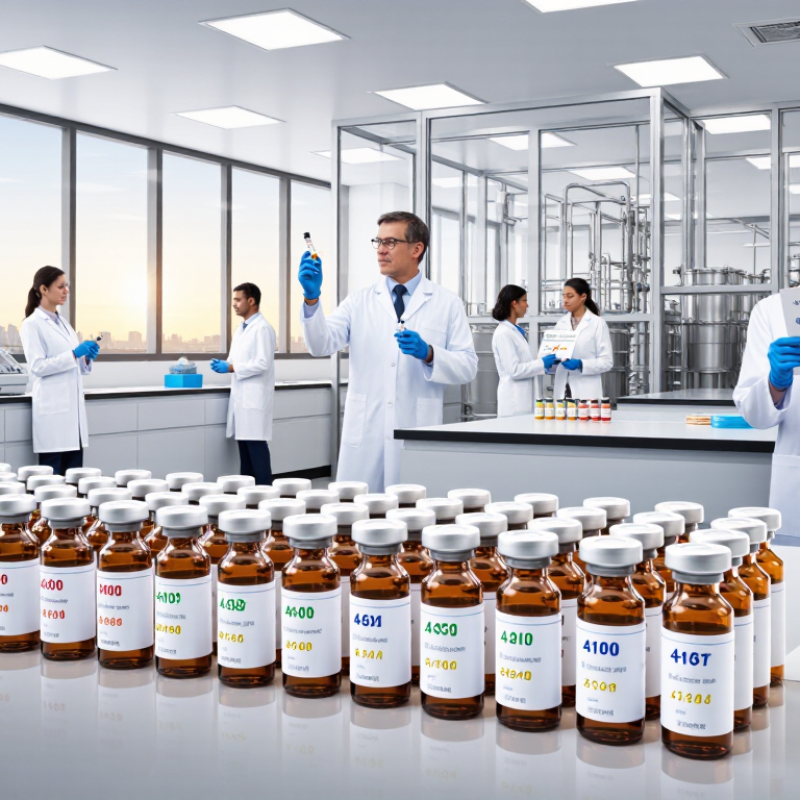
Afatinib is an oral, irreversible ErbB family inhibitor used for selected patients with non-small cell lung cancer. Its main clinical role involves tumors carrying specific EGFR mutations. Treatment decisions require validated diagnostic testing and professional medical supervision. Afatinib is not suitable for every lung cancer case.
The medicine is commonly supplied as film-coated tablets in several strengths, although available presentations differ by market. Global buyers should check active pharmaceutical ingredient quality, manufacturing consistency, dissolution data, packaging integrity, and batch traceability. A reliable supplier should provide current certificates, stability information, pharmacopoeial testing, and clear change-control records. Small details matter here. One missing document can delay release.
For a top-ten supplier comparison, procurement teams should review regulatory approvals, inspection history, production capacity, lead times, and pharmacovigilance support. Regional registration requirements may vary across North America, Europe, Asia, and emerging markets. Some suppliers offer finished tablets, while others provide qualified active ingredient for licensed manufacturing. Price alone gives a weak picture. Long-term supply continuity, complaint handling, and transparent communication often matter more. Buyers should also confirm shipping conditions and local import responsibilities before signing contracts. A practical weakness in many market reviews is limited verification of supplier data. Independent testing and direct document checks remain necessary.
| No. | Supplier or Sourcing Channel | Typical Supply | Buyer Verification Points | Global Market Considerations |
|---|---|---|---|---|
| 1 | Marketing authorization holder | Finished afatinib medicine authorized for sale in a particular market. | Check the product authorization, approved indication, dosage forms, strengths, and current status in the relevant national medicines register. | Authorization is jurisdiction-specific; a product approved in one market is not automatically approved in another. |
| 2 | Generic medicine manufacturer | Finished tablets supplied under a local or international generic authorization, where available. | Confirm the manufacturer, marketing authorization, GMP status, product specifications, and applicable bioequivalence or other regulatory evidence. | Generic availability and approved strengths vary by country and may change over time. |
| 3 | Active pharmaceutical ingredient (API) manufacturer | Afatinib API for use by a qualified finished-dose manufacturer. | Request current GMP evidence, API specifications, batch documentation, impurity controls, and the regulatory documentation required in the destination market. | API supply is a manufacturing input, not a finished medicine; it cannot replace locally authorized tablets. |
| 4 | Contract development and manufacturing organization | Contract manufacture, testing, packaging, or development services for finished tablets. | Verify facility scope, quality agreements, inspection history, product-specific responsibilities, and release arrangements. | Contract manufacturing does not itself establish that a product is approved for sale in the destination country. |
| 5 | Licensed pharmaceutical wholesaler | Distribution of authorized finished medicines to eligible healthcare or pharmacy customers. | Check wholesale distribution authorization, traceability, batch records, storage controls, and the lawful supply chain. | Purchasing rules and permitted customer types differ between markets. |
| 6 | Authorized local importer | Importation of medicines in accordance with local licensing and import requirements. | Confirm import permits, product registration or exemption, customs documentation, and local pharmacovigilance responsibilities. | Do not assume that cross-border availability makes a medicine lawful to import or distribute. |
| 7 | Hospital or public-sector procurement channel | Supply through hospital purchasing, public tenders, or approved institutional frameworks. | Review tender eligibility, approved-product requirements, delivery terms, batch traceability, and local procurement rules. | Access may be limited to selected institutions or tender periods. |
| 8 | Specialty oncology distributor | Distribution and logistics services for oncology medicines to authorized care settings. | Verify licenses, sourcing provenance, product authenticity controls, complaint handling, and delivery documentation. | Distribution capability does not confer authority to prescribe or dispense; local rules still apply. |
| 9 | Lawful named-patient or special-access channel | Potential access to an unregistered medicine for an individual patient where local law permits. | Confirm eligibility, prescriber and regulator approvals, informed-consent requirements, and the authorized supply route. | This is an exceptional access pathway, not a substitute for routine commercial registration. |
| 10 | Clinical-trial supply channel | Investigational or protocol-specific medicine supplied for an authorized clinical trial. | Verify trial authorization, protocol, sponsor arrangements, site pharmacy procedures, and applicable import approvals. | Clinical-trial material is not routine commercial stock and must be used only under the approved trial conditions. |
|
Product and use overview: Afatinib is an oral, targeted anticancer medicine used for certain patients with non-small cell lung cancer (NSCLC) whose tumors have eligible epidermal growth factor receptor (EGFR) mutations. The precise authorized indication depends on the country and product label. Film-coated tablets are marketed in strengths including 20 mg, 30 mg, and 40 mg in some markets; availability varies by jurisdiction. Afatinib is a prescription medicine and should be used under qualified oncology care.
Buyer note: This table describes ten supplier or sourcing-channel types; it is not a ranked list of ten named companies or a claim that every channel currently supplies afatinib in every country. Confirm current authorization, quality documentation, and lawful supply with the relevant national regulator before purchasing. |
||||
Afatinib is an oral medicine for selected non-small cell lung cancer patients. It mainly targets tumors with specific EGFR mutations. Validated diagnostic testing is essential. It is not suitable for every patient.
Afatinib is commonly supplied as film-coated tablets in different strengths. Available presentations vary by country. Buyers should confirm strength, packaging, shelf life, and storage conditions before ordering.
Request a current GMP certificate, product specification, and batch-specific Certificate of Analysis. Also review impurity profiles, stability data, and manufacturing-site details. One missing document can delay product release.
Independent laboratories can test identity, assay, impurities, and stability. For tablets, review dissolution, uniformity, and packaging integrity. A polished document does not prove consistent production.
Compare regulatory approvals, inspection history, capacity, lead times, and complaint handling. Confirm whether the supplier manufactures the product or distributes it. Price alone gives a weak picture.
Traceability connects raw materials, batch records, testing, packaging, and release decisions. Change-control records show how manufacturing changes are assessed. Buyers should receive timely notifications. Details matter.
No. Registration requirements differ across regions and national markets. Suppliers should provide technical documents for local submissions. Import duties, responsibilities, and transport conditions must be clarified before contracting.
Usually not. Qualified auditors should inspect production areas, laboratories, electronic records, and data integrity. Virtual meetings may reveal gaps, but they cannot replace every inspection. No scorecard is perfect.
Reassess suppliers after each shipment, major change, serious deviation, or delivery failure. Compare results from at least three recent batches when possible. Record findings in a risk-based evaluation. Trust is earned slowly.
This article provides a practical overview of Afatinib, focusing on its therapeutic uses, available formulations, and role in the global pharmaceutical market. It explains how buyers can assess potential suppliers by reviewing manufacturing capabilities, product consistency, documentation, communication, production capacity, and experience serving international markets. The article also outlines how suppliers may differ by region and operational strength, helping procurement teams compare options based on reliability and suitability rather than price alone.
In addition, the discussion covers quality standards and regulatory expectations, including batch traceability, analytical testing, stability data, and compliance with applicable pharmaceutical requirements. Buyers will also find guidance on global sourcing, pricing factors, lead times, shipping conditions, inventory planning, and supply chain risk management. By combining technical, commercial, and logistical considerations, this overview helps organizations develop a structured and responsible approach to sourcing Afatinib from qualified suppliers.
