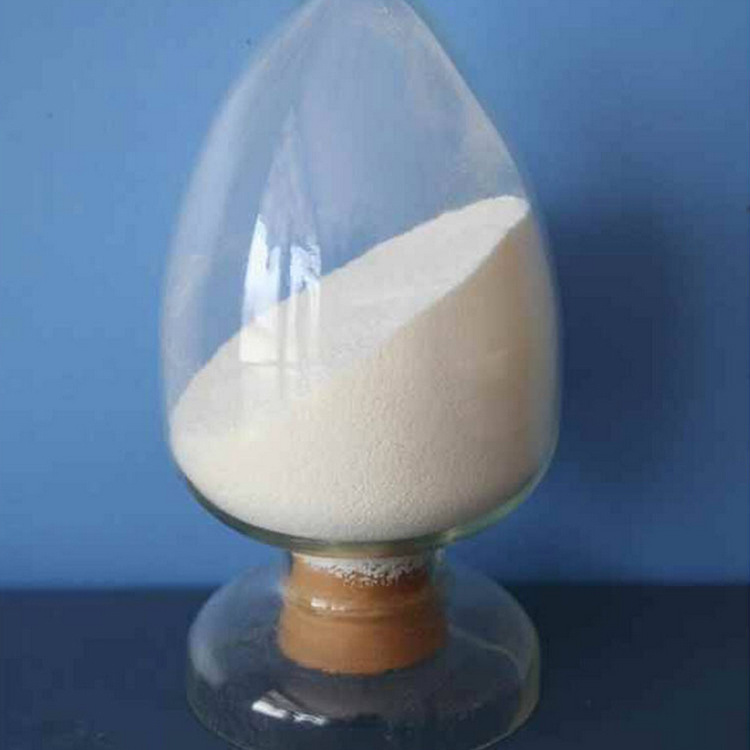
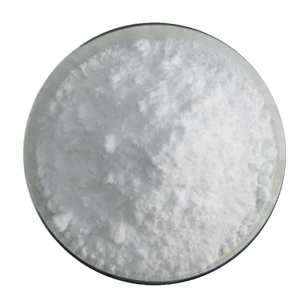
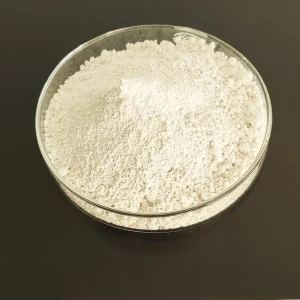
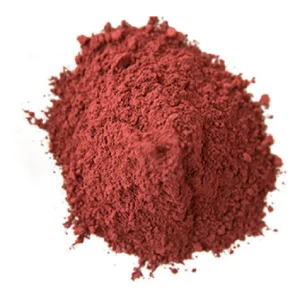
Sodium stearate is a white powder, slightly soluble in cold water, and quickly soluble in hot water. It does not crystallize after cooling in a very concentrated hot soap solution. It possesses excellent emulsifying, penetrating, and detersive power, features a greasy feel, and has a characteristic fatty odor. It is easily soluble in hot water or alcoholic water, forming a solution that is alkaline due to hydrolysis.
Main Uses & Applications
Primary roles of Sodium Stearate include acting as a thickener, emulsifier, dispersant, adhesive, and corrosion inhibitor. Key industrial applications include:
01 Detergents
Used to effectively control foam formation during rinsing processes.
02 Emulsifier & Dispersant
Utilized for polymer emulsification and antioxidant formulations.
03 Corrosion Inhibitor
Provides protective properties within cluster packaging films.
04 Cosmetics
Widely used in products such as shaving gel, transparent adhesives, and solid cosmetics.
05 Adhesives
Functions as a natural glue component designed for paper adhesion.
Chemical Characteristics & Action Mechanism
Sodium stearate is the sodium salt of stearic acid, also known as sodium octadecate. It is a commonly used anionic surfactant and a major component of soaps. The hydrocarbyl moiety in the sodium stearate molecule acts as a hydrophobic group, while the carboxyl moiety functions as a hydrophilic group.
In soapy water, sodium stearate forms spherical micelles composed of many molecules. The hydrophobic groups point inwards, bonding via van der Waals forces, while the hydrophilic groups extend outwards on the micelle surface, dispersing in water. Upon encountering water-insoluble oil stains, the hydrophobic group dissolves into the oil, while the hydrophilic group remains suspended in water to perform decontamination. In hard water, stearate ions combine with calcium and magnesium ions to form water-insoluble calcium and magnesium salts, which reduces detergency. Soap formulations may also contain sodium palmitate (CH3(CH2)14COONa) and other fatty acid sodium salts (C12-C20).
Frequently Asked Questions (FAQ)
What is Sodium Stearate?
Sodium stearate (CAS 822-16-2) is the sodium salt of stearic acid, also known as sodium octadecate. It is a white powder that acts as a widely used anionic surfactant and a primary component of soap.
What are the main functions and applications of Sodium Stearate?
It serves mainly as a thickener, emulsifier, dispersant, adhesive, and corrosion inhibitor. Key applications include foam control in detergents, polymer emulsification, packaging protection films, cosmetic products like shaving gels, and natural adhesives for paper.
What are the solubility characteristics of Sodium Stearate?
Sodium stearate is slightly soluble in cold water and ethanol (96%), but dissolves quickly in hot water or alcoholic water. Concentrated hot soap solutions do not crystallize upon cooling, and the resulting solution is alkaline due to hydrolysis.
How should Sodium Stearate be stored?
Sodium stearate should be stored under controlled cold conditions at temperatures between 2°C and 8°C. It is stable under normal conditions but incompatible with strong oxidizing agents.
How does Sodium Stearate perform decontamination in water?
It forms spherical micelles in water with hydrophobic centers and hydrophilic surfaces. The hydrophobic groups dissolve oil stains into tiny droplets, while the hydrophilic groups keep them suspended in water for easy removal.
Why does hard water reduce the detergency of Sodium Stearate?
In hard water, stearate ions react with calcium and magnesium ions to form insoluble calcium and magnesium salts, which reduces the active surfactant level and decreases detergency efficiency.