
High-Quality Cerium dioxide Used in Ceramic Glaze and Glass Manufacturer, Exporters

Cerium oxide is easy to penetrate visible light, but absorbs UV light very well, while also making the skin look more natural. Name: Cerium dioxide CAS number: 1306-38-3 Molecular formula: CeO2 Molecular weight: 172.1148 EINECS Number: 215-150-4 Melting point: 2600°C Density: 7.13 g/mL at 25 °C(lit.) Storage conditions: Storage temperature: no restrictions.

Product Description

Product Specifications

NameCerium dioxide
CAS number1306-38-3
Molecular formulaCeO2
Molecular weight172.1148
EINECS Number215-150-4
Melting point2600°C
Density7.13 g/mL at 25 °C(lit.)
Storage conditionsStorage temperature: no restrictions.
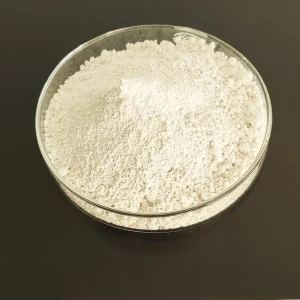
Formpowder
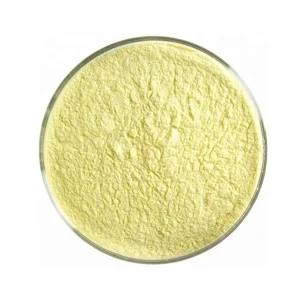
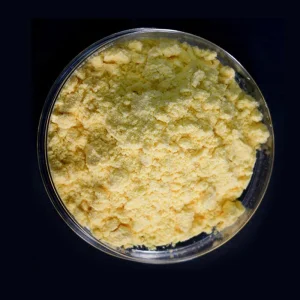
ColorYellow
Specific gravity7.132
Scent(Odor)Odorless
Water solubilityinsoluble
StabilityStable, but absorbs carbon dioxide from the air.

Synonyms & Identifiers

Nidoral opaline Cerium(IV) oxide, dispersion CERIUM (IV) OXIDE HYDRATED CERIUM (IV) HYDROXIDE CERIUM (III) HYDROXIDE CERIUM HYDROXIDE Cerium(IV) oxide, 99.5% (REO)

Physical & Chemical Overview

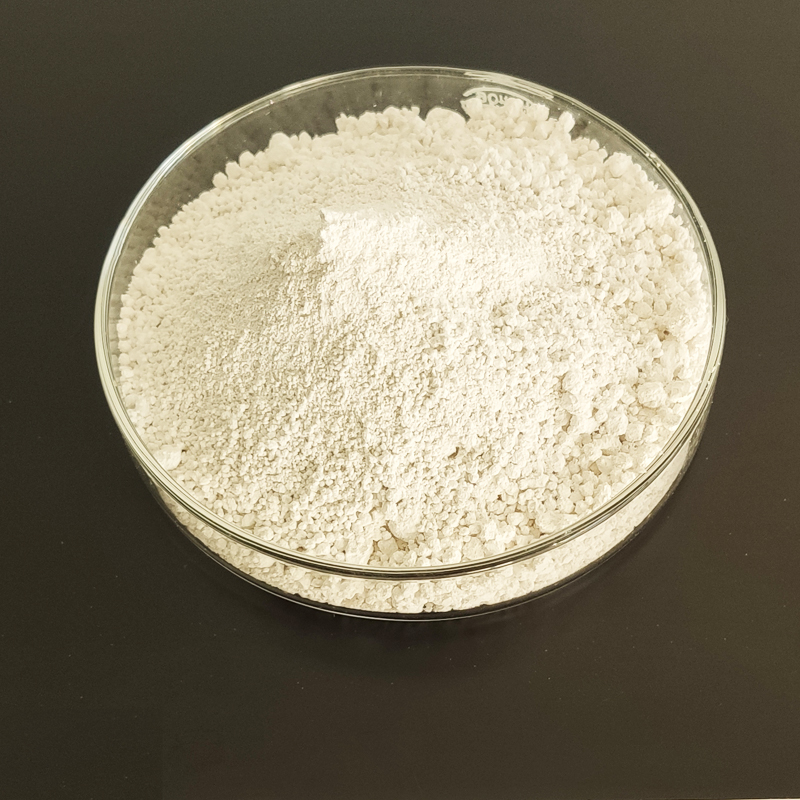
Pale yellowish white cubic powder. Relative density 7.132. Melting point 2600 ℃. Insoluble in water, not easily soluble in inorganic acid. Need to add reducing agent to help dissolve (such as hydroxylamine reducing agent).

Key Applications & Uses

  • Used as an additive in the glass industry, as a grinding material for plate glass, and expanded to the grinding of glasses glass, optical lenses, and picture tubes. Plays the role of decolorization, clarification, and absorption of ultraviolet rays and electron rays of glass. Also used as an anti-reflection agent for spectacle lenses, and made into cerium-titanium yellow with cerium to make the glass light yellow.
  • Used in ceramic glaze and electronic industry, as piezoelectric ceramic infiltration agent.
  • For the manufacture of highly active catalysts, incandescent covers for gas lamps, and fluorescent screens for x-rays.
  • Used as analytical reagents, oxidants, and catalysts.
  • Used for the preparation of polishing powder and automobile exhaust catalyst. It is used as a high-efficiency catalyst for industrial applications such as glass, atomic energy, and electronic tubes, precision polishing, chemical additives, electronic ceramics, structural ceramics, UV collectors, battery materials, etc.

Water & Equipment Standard Notes

Purified water is used in production and equipment cleaning for API. Purified water is generated by city water, processed through pre-treatment (multi-media filter, softener, activated carbon filter, etc.) and reverse osmosis (RO), and then the purified water is stored in the tank. The water is constantly circulating at 25±2℃ with flow rate of 1.2m/s.

Frequently Asked Questions (FAQ)

Q1: What is the CAS number and formula of Cerium dioxide?
The CAS number for Cerium dioxide is 1306-38-3, and its molecular formula is CeO2 with a molecular weight of 172.1148.
Q2: What is the appearance and solubility of Cerium dioxide?
It appears as a yellow or pale yellowish white cubic powder. It is insoluble in water and not easily soluble in inorganic acids, requiring a reducing agent (such as hydroxylamine) to aid dissolution.
Q3: What are the main industrial applications of Cerium dioxide?
Cerium dioxide is widely used as a grinding/polishing material in the glass industry, an additive in ceramic glazes, high-efficiency catalysts, automobile exhaust catalysts, X-ray fluorescent screens, and battery materials.
Q4: What are the storage requirements and stability for Cerium dioxide?
Cerium dioxide is stable, though it absorbs carbon dioxide from the air. There are no specific storage temperature restrictions required.
Q5: How is purified water handled during the API production process?
City water undergoes multi-media filtering, softening, activated carbon filtering, and reverse osmosis (RO). The resulting purified water is stored and constantly circulated at 25±2℃ at a flow rate of 1.2m/s for equipment cleaning and production.

Related Products