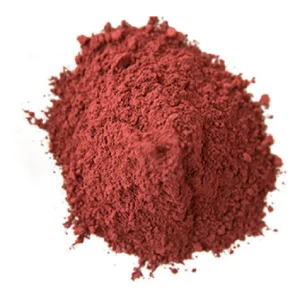
Trimethyl Citrate can be used as the main burning agent for colored flame candles, with a melting point and flammability that fully meet the requirements of candle products. It serves as a stable intermediate in the synthesis of medicine and pesticides, the primary raw material for producing citrazine acid and hot melt adhesives, a foaming agent for methyl methacrylate polymers and acrylamide, an intermediate in organic synthesis, and a daily chemical additive.
Stable intermediate in the synthesis of medicine and pesticides.
Main raw material for the production of citrazine acid.
Primary raw material for synthesizing hot melt adhesives.
Foaming agent for methyl methacrylate polymers and acrylamide.
Intermediate in organic synthesis and daily chemical additive.
Frequently Asked Questions (FAQ)
What is Trimethyl Citrate and its basic chemical properties?
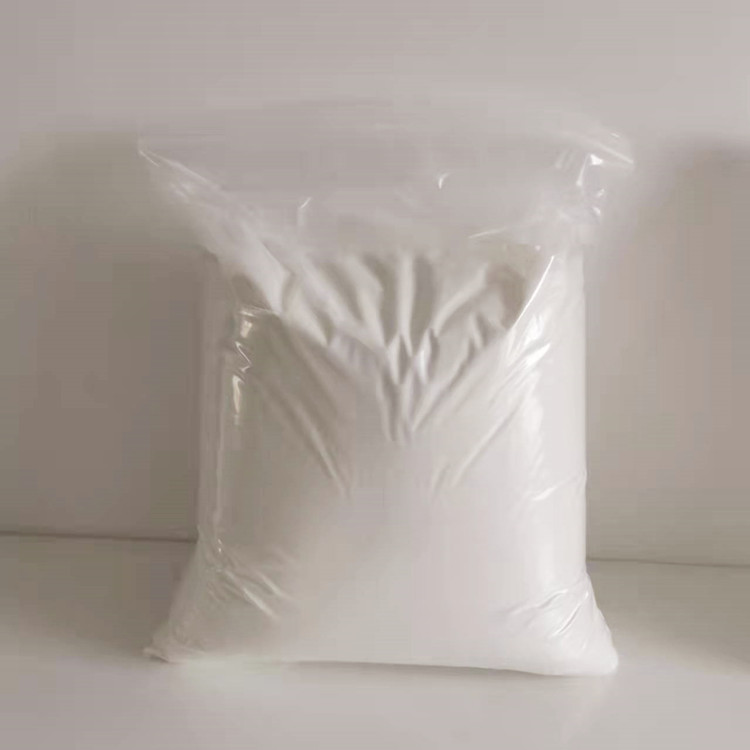
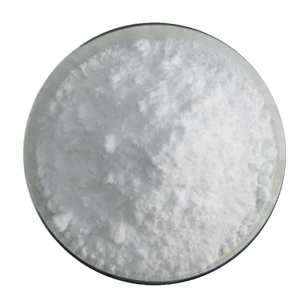
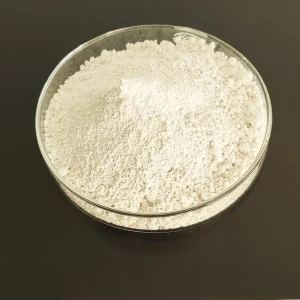
Trimethyl Citrate (CAS 1587-20-8) is a chemical compound with the molecular formula C9H14O7 and a molecular weight of 234.2. It typically appears as a white crystal powder.
What are the thermal characteristics of Trimethyl Citrate?
It has a melting point of 75-78 °C and a boiling point of 176 °C at 16mm pressure.
How is Trimethyl Citrate used in candle production?
It serves as the main burning agent for colored flame candles because its melting point and flammability fully meet the performance requirements of candle products.
What are the recommended storage conditions for Trimethyl Citrate?
It should be kept sealed in a dry environment at room temperature.
What safety and chemical classification codes apply to Trimethyl Citrate?
It carries EINECS Number 216-449-2, a predicted acidity coefficient (pKa) of 10.43±0.29, and Safety Instructions designated as 22-24/25.