1 / 1

This product contains 10 mg total of two synergistic peptides:
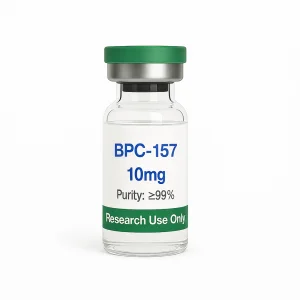
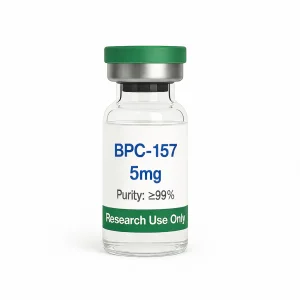
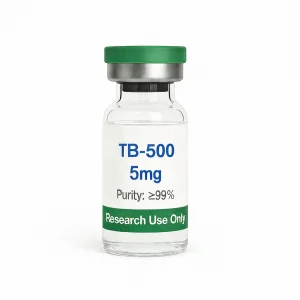
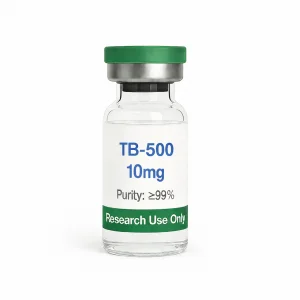
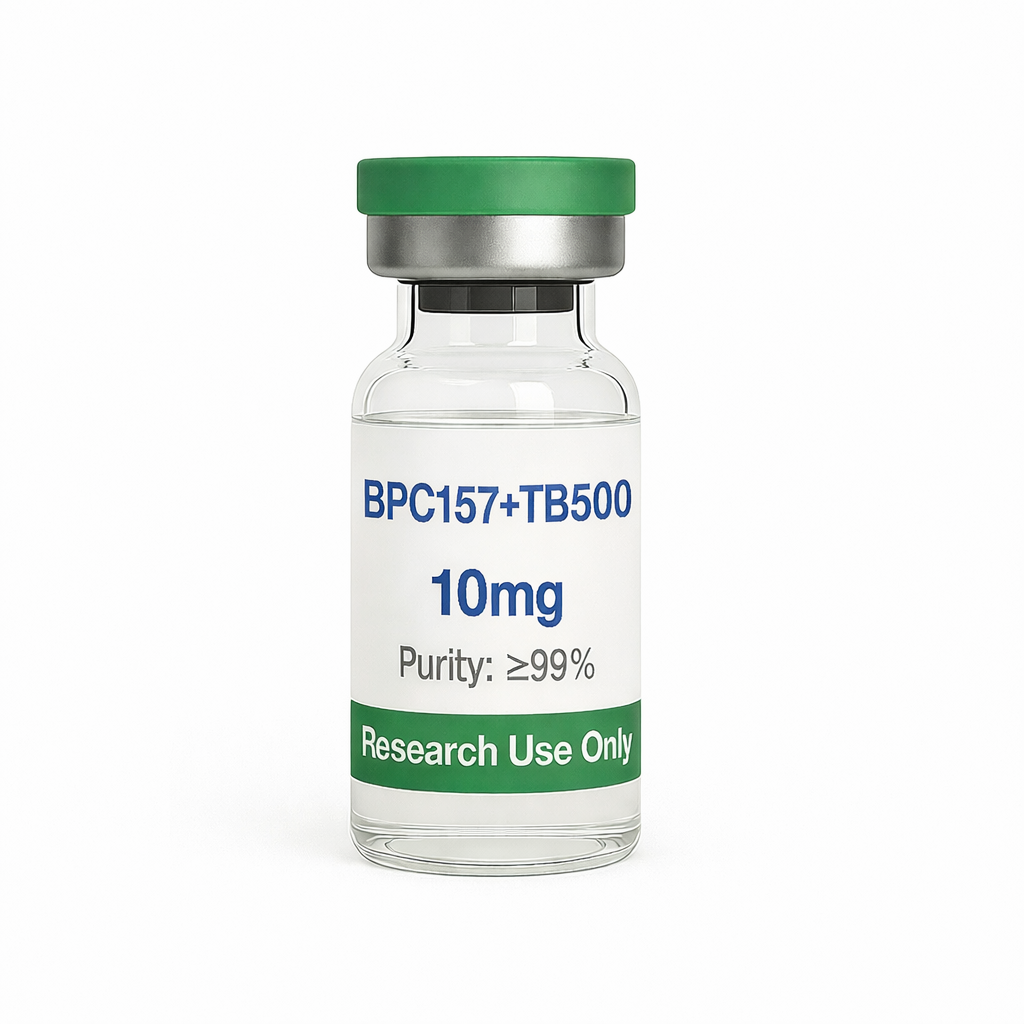
BPC157 & TB500 10 is a dual-peptide injectable research compound combining:
A pentadecapeptide derived from a protein found in the stomach, known in research for supporting tissue repair, angiogenesis, and anti-inflammatory responses.
A synthetic peptide related to the naturally occurring thymosin beta-4 protein, studied for its role in cell migration, tissue regeneration, and wound healing.
The combination of BPC-157 and TB-500 may provide synergistic regenerative effects in experimental settings.
Consult a qualified professional if:
Avoid combining with other peptides unless part of a structured research protocol.
Use only according to your research protocol or supervising professional instructions.
Subcutaneous injection.
Because the vial contains 10 mg total peptides (5 mg each), dosing will depend on dilution and research protocol.
Example research ranges often reported:
| Application Area | Suggested Dose | Frequency |
|---|---|---|
| Injury recovery | 0.5 – 1 mg | Daily |
| Joint or tendon inflammation | 0.5 – 0.75 mg | Daily |
| Gut / GI research | 0.25 – 0.5 mg | Daily |
| Post-surgical recovery research | 1 mg | Daily |
| General regeneration studies | 0.5 mg | 5× per week |
Injection sites:
Rotate injection sites to avoid irritation.
Potential side effects reported in peptide research include:
If serious reactions occur, discontinue use and consult a professional.
Do not use if solution appears cloudy or discolored.
What is BPC157 & TB500 10?
BPC157 & TB500 10 is a dual-peptide injectable research compound containing a total of 10 mg (5 mg of BPC-157 and 5 mg of TB-500) formulated for synergistic cellular and tissue repair research.
Is BPC157 & TB500 10 approved for human medical or therapeutic use?
No, this product is intended strictly for research use only by qualified professionals and is not approved for medical or human therapeutic applications.
How should this compound be administered in research settings?
It is administered via subcutaneous injection. Recommended injection areas include the abdomen (at least 5 cm away from the navel), outer thigh, or upper arm, rotating sites regularly to prevent irritation.
What are the reported side effects in research protocols?
Commonly reported side effects include mild redness at the injection site, fatigue, and headache. Less common side effects include nausea and temporary flushing. Rare effects include allergic reactions or increased localized vascularization.
How should BPC157 & TB500 10 be stored?
It should be stored refrigerated between 2°C – 8°C, protected from direct sunlight, and kept unfrozen. Once reconstituted, it should be used within 6–8 weeks and discarded if cloudy or discolored.
Who is prohibited from handling this compound?
Individuals under 18 years old, pregnant or breastfeeding individuals, anyone allergic to the components, and personnel lacking proper research protocol training should not handle or use this compound.