

OEM Rhodium(III) nitrate 10139-58-9 Supplier, Exporters

Name: Rhodium(III) nitrate CAS number: 10139-58-9 Molecular formula: N3O9Rh Molecular weight: 288.92 EINECS Number: 233-397-6 Boiling point: 100 °C Density: 1.41 g/mL at 25 °C Storage conditions: ventilated and dry warehouse at low temperature 0-6°C, lightly loaded and unloaded, and stored separately from organic matter, reducing agent, sulfur and phosphorus flammables

Product Description

Technical Specifications

Chemical Name Rhodium(III) nitrate
CAS Number 10139-58-9
Molecular Formula N3O9Rh
Molecular Weight 288.92
EINECS Number 233-397-6
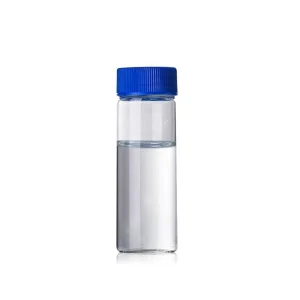
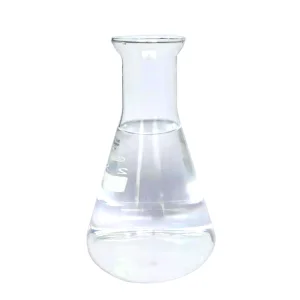
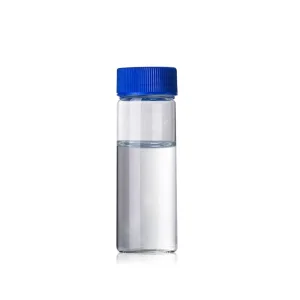
Form Solution
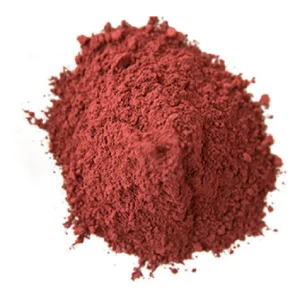
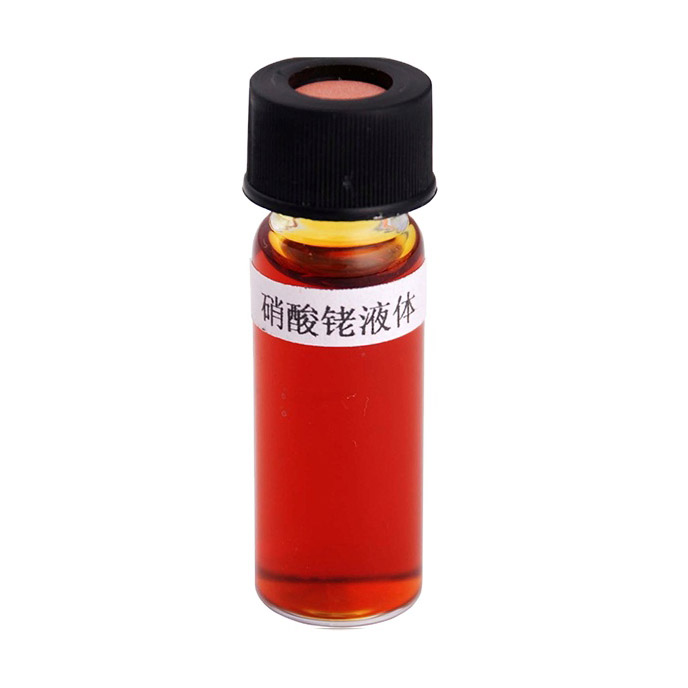
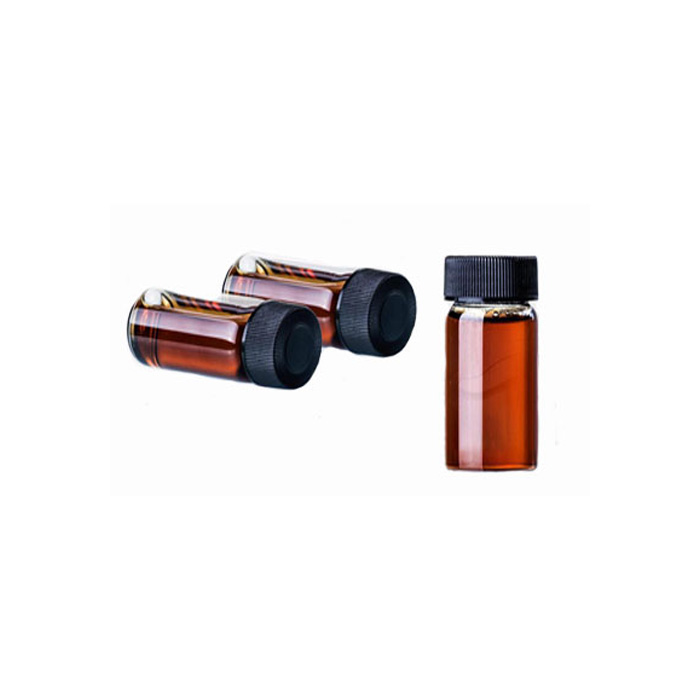
Color Dark orange-brown to red-brown solution
Boiling Point 100 °C
Density 1.41 g/mL at 25 °C
Water Solubility Soluble in alcohol, water, acetone
Storage Conditions Ventilated and dry warehouse at low temperature (0-6°C), lightly loaded and unloaded, and stored separately from organic matter, reducing agent, sulfur and phosphorus flammables.

Synonyms & Alternate Names

Rhodium nitrate liquid Rhodium nitrate solution Rhodium(Ⅲ) nitrate solution Rhodium(III) nitrate hydrate ~36% rhodium (Rh) basis Rhodium(III) nitrate solution, 10-15wt.% in water Nitric acid, rhodium(3+) salt (3:1) Rhodium(III) nitrate, Solution, ca. 10% (w/w) Rh in 20-25 weight% HNO3

Product Overview & Quality Standards

Rhodium nitrate (Rhodium nitrate solution) is prepared by the action of rhodium and nitric acid, and reacts with alkali to generate lemon yellow precipitated rhodium trioxide pentahydrate. It is a red or yellow deliquescent crystal. Because it is a precursor of an important catalyst in industrial production, it is widely used in industry. In addition, it is often used as an oxidant.

  • Rhodium (Rh) content: ≥35.0%
  • Iron (Fe) content: ≤0.001%
  • Total metal impurities: ≤0.005%

Primary Applications

1. Precious Metal Catalysts

Functions as a crucial precursor for high-performance precious metal catalysts utilized in industrial synthesis and chemical reactions.

2. Oxidant

Widely utilized as an effective oxidizing agent across various chemical processing and industrial manufacturing stages.

3. Thermocouples

Key material used in the specialized preparation and manufacturing processes of precision temperature thermocouples.

Safety & Regulatory Information

GHS Symbol GHS03, GHS05
Signal Word Danger
Hazard Statements H272 (May intensify fire; oxidizer); H314 (Causes severe skin burns and eye damage)
Cautionary Statements P220; P280; P305+P351+P338; P310
Hazard Class 5.1
Packing Group II
Dangerous Goods Transport Code UN3085 5.1/PG3
WGK Germany 3
Hazard Category Code R35
Safety Instructions S26-S45-S36-S23-S36/37/39-S17-S15
RTECS No. VI9316000
Dangerous Goods Sign C (Corrosive)

Frequently Asked Questions (FAQ)

What are the primary applications of Rhodium(III) nitrate?
Rhodium(III) nitrate solution is primarily used as a precursor for precious metal catalysts, an industrial oxidant, and in the specialized manufacturing of high-precision thermocouples.
What are the recommended storage conditions for Rhodium(III) nitrate?
It should be stored in a well-ventilated, dry warehouse kept at low temperatures between 0-6°C. It must be stored separately from organic matter, reducing agents, sulfur, and phosphorus flammables.
What is the purity standard and Rhodium content?
The standard specification guarantees a Rhodium (Rh) content of ≥35.0%, with strict impurity controls: Iron (Fe) ≤0.001% and total metal impurities ≤0.005%.
Can relevant technical documentation be provided?
Yes, technical documentation including Certificates of Analysis (COA), Certificates of Conformance, Insurance documents, and Certificate of Origin can be provided upon request.
What payment methods are supported?
Payments are supported in USD, EUR, and RMB. Accepted methods include bank transfer, personal payment, cash payment, and digital currency payment.
What are the transportation safety classifications?
Rhodium(III) nitrate solution is classified under Hazard Class 5.1 (Oxidizing substances), Packing Group II, with transportation code UN3085 (5.1/PG3). Proper hazardous material handling procedures must be followed during transit.

Related Products