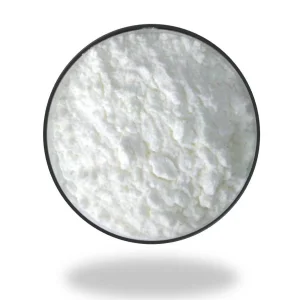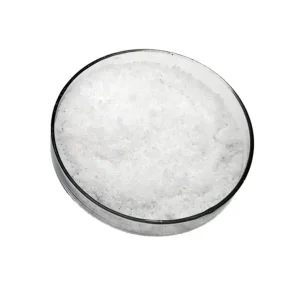
High-purity pharmaceutical ingredients manufactured under international cGMP compliance standards.
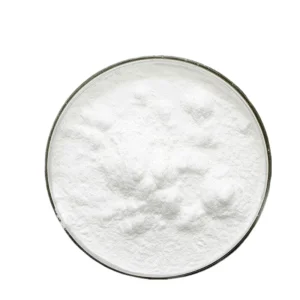
An authoritative analysis of chemical synthesis, immunological stabilization, mRNA vaccine performance, and China's role in the global supply chain.
N1-Methylpseudouridine (commonly designated as M1 Pseudouridine or m1Ψ) represents the single most significant biochemical breakthrough in modified RNA therapeutics over the last two decades. As an isomer of uridine modified via C-glycosylation and selective N1-methylation, m1Ψ serves as the architectural backbone for next-generation messenger RNA (mRNA) platforms, including prophylactic infectious disease vaccines, personalized cancer immunotherapies, and in vivo gene editing systems.
When unmodified synthetic mRNA is introduced into human target cells, pattern recognition receptors (PRRs)—specifically Toll-like receptors TLR3, TLR7, and TLR8—recognize the exogenous RNA as viral genetic material. This triggers a potent type I interferon cascade, causing rapid intracellular degradation of the translocated mRNA, premature termination of protein translation, and systemic inflammatory side effects. The incorporation of M1 Pseudouridine Triphosphate (m1ΨTP) in place of standard uridine triphosphate (UTP) fundamentally alters the stereochemistry of the RNA transcript:
Mapping market expansion, critical supply chain dependencies, and regulatory oversight across international pharma markets.
The global market demand for M1 Pseudouridine has expanded far beyond initial COVID-19 mRNA vaccines. The commercial pipeline currently encompasses candidate vaccines for Influenza, RSV, Epstein-Barr Virus, Zika, and personalized mRNA cancer therapeutics (neoantigen therapies). Commercial scaling demands tens of kilograms of cGMP-grade modified nucleosides annually.
China has established itself as the world's premier production hub for advanced organic intermediates and nucleoside building blocks. By integrating raw material sourcing, chemical synthesis, enzymatic phosphorylation, and cGMP purification under unified industrial infrastructure, Chinese exporters ensure continuous global supply chain stability.
Global regulatory bodies (FDA, EMA, NMPA) demand rigorous Characterization Data, DMF filings, and strict limits on trace solvents (ICH Q3C), elemental impurities (ICH Q3D), and microbial endotoxins. Chinese exporters like Gentolex maintain complete batch traceability and cGMP compliance documentation.
| Parameter / Requirement | Research Grade (R&D) | Clinical Grade (Phase I-III) | Commercial cGMP Grade |
|---|---|---|---|
| Chemical Purity (HPLC) | ≥ 98.0% | ≥ 99.0% | ≥ 99.5% (Single max impurity < 0.2%) |
| Bacterial Endotoxin | < 0.1 EU/mg | < 0.01 EU/mg | < 0.005 EU/mg |
| Residual Heavy Metals | < 20 ppm | < 5 ppm | < 1 ppm (ICP-MS validated) |
| dsRNA Contamination | N/A | Strictly Controlled | Ultra-Low / Non-Detectable |
| Documentation Package | CoA, MSDS | CoA, MSDS, Batch Records, BSE/TSE free | Full cGMP Dossier, DMF, Stability Protocol |
From C-glycoside coupling to enzymatic phosphorylation: The engineering precise paths to ultra-pure N1-Methylpseudouridine.
The industrial production of M1 Pseudouridine involves a multi-step organic synthesis that presents significant stereoselective challenges. The formation of the C-C glycosidic bond between D-ribose and the uracil core requires precise control over anomeric selectivity to prevent unwanted β-anomer degradation.
Key Chemical Engineering Phases:
Achieving commercial-grade purity requires advanced analytical verification protocols integrated into every batch run:
How M1 Pseudouridine powers breakthroughs across therapeutic disciplines globally.
m1Ψ modified transcripts serve as the foundational mRNA matrix for broad-spectrum viral vaccines. By replacing standard uridine, manufacturers produce high-titer antigen expression without provoking inflammatory cytokine storms in host tissues.
In oncology, patient-specific neoantigen mRNA sequences encapsulated in LNPs rely on m1Ψ to sustain cellular translation over multi-day periods within dendritic cells, stimulating cytotoxic T-cell responses against solid tumors.
Transient expression of Cas9 or base editing enzymes via m1Ψ-modified mRNA limits the duration of nuclease activity, reducing off-target genomic cleavage while maintaining maximal target gene knockout or insertion efficiency.
For genetic disorders characterized by enzymatic deficiencies (such as Methylmalonic Acidemia or Fabry Disease), m1Ψ mRNA allows long-term systemic protein expression in hepatic tissue without triggering immune neutralization.
Creating global opportunities by connecting worldwide life-science partners with guaranteed chemical quality and integrated procurement solutions.
Gentolex’s overarching goal is to create opportunities connecting the world with better services and guaranteed products. Up to date, Gentolex Group has been serving customers from more than 10 countries. Specially, direct regional representatives have been established in Mexico and South Africa to support seamless local logistics, regulatory communication, and client management.
Our comprehensive service portfolio focuses on supplying high-purity peptide APIs, Custom Peptide Synthesis, FDF License-Out operations, Technical Support & Consultation, Product Line and Lab Setup, and end-to-end Sourcing & Supply Chain Solutions.
Gentolex operates an overall factory construction area of 250,000 square meters engineered under international cGMP standards to offer flexible, scalable, and cost-effective biopharmaceutical solutions.


An overall factory construction area of 250,000 square meters under international standard to offer flexible, scalable and cost-effective solutions for global pharmaceutical and chemical partners.
Gentolex offers an extensive range of APIs and intermediates for development study and commercial application with cGMP standard from long-term collaborations. Full documentation (DMF, CoA, MSDS) is supported worldwide.
Tailored organic synthesis, enzymatic modification, and process scale-up protocols for custom peptides, modified nucleosides, and specialized small-molecule drug intermediates.
For clients preferring to avoid managing multiple contact points, we provide customized procurement services using superior, comprehensive supply chain management to reduce operational risk.


Stay updated with our latest technical breakthroughs, active peptide manufacturing updates, and global scientific publications.

Selank Acetate API is a synthetic heptapeptide active pharmaceutical ingredient composed of the sequence Thr-Lys-Pro-Arg-Pro-Gly-Pro. Developed via neuropharmacological research, it represents a core therapeutic derivative...
Read Full Insight
As a professional Thymosin Beta-4 API manufacturer and supplier, we provide high-quality Thymosin Beta-4 peptide API solutions for biotechnology companies, pharmaceutical research organizations, and industrial partners globally...
Read Full Insight
BPC-157 API is a synthetic pentadecapeptide that has gained increasing attention in peptide research due to its biological activities related to tissue repair, gastrointestinal protection, and inflammatory regulation...
Read Full Insight
With continuous development in neuroscience and peptide technology, neuroactive peptides have become a major scientific focus. Semax, derived from an ACTH fragment, features unique chemical stability...
Read Full Insight
SS-31 API (Elamipretide / MTP-131 / Bendavia) is a synthetic mitochondria-targeting tetrapeptide engineered to bind cardiolipin in the inner mitochondrial membrane, supporting bioenergetics and cellular repair...
Read Full InsightExpert technical insights regarding M1 Pseudouridine procurement, quality control, storage protocols, and global delivery.
Explore additional high-grade active pharmaceutical ingredients, custom peptides, and chemical intermediates.