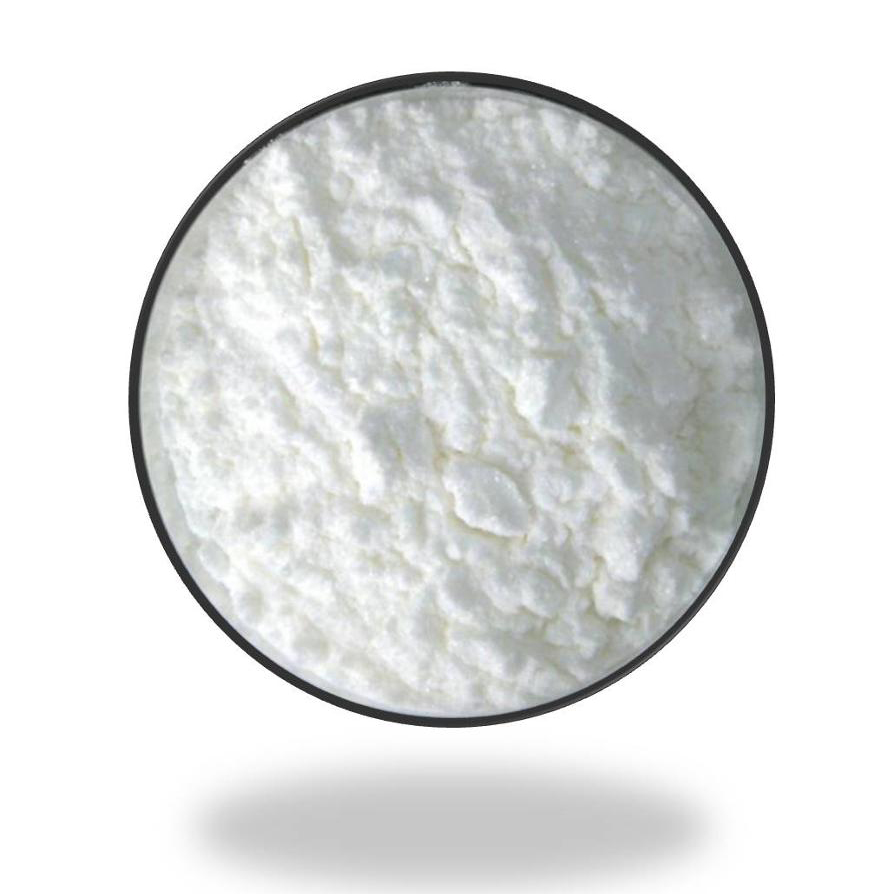
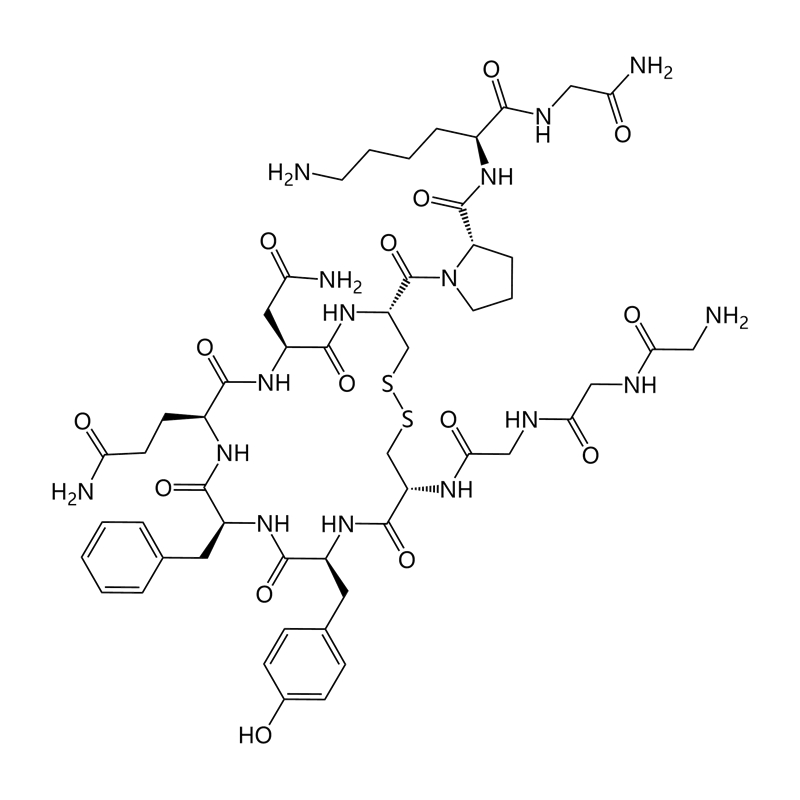

OEM Terlipressin Acetate for Esophageal Variceal Bleeding Supplier, Exporter

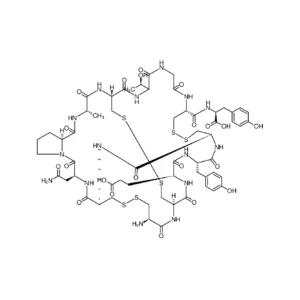
Name: N-(N-(N-Glycylglycyl)glycyl)-8-L-lysinevasopressin CAS number: 14636-12-5 Molecular formula: C52H74N16O15S2 Molecular weight: 1227.37 EINECS Number: 238-680-8 Boiling point: 1824.0±65.0 °C (Predicted) Density: 1.46±0.1 g/cm3(Predicted) Storage conditions: Keep in dark place, Inert atmosphere, Store in freezer, under -15°C. Acidity coefficient: (pKa) 9.90±0.15 (Predicted)

Product Description

Product Specifications

Name N-(N-(N-Glycylglycyl)glycyl)-8-L-lysinevasopressin
CAS Number 14636-12-5
Molecular Formula C52H74N16O15S2
Molecular Weight 1227.37
EINECS Number 238-680-8
Boiling Point 1824.0±65.0 °C (Predicted)
Density 1.46±0.1 g/cm3 (Predicted)
Storage Conditions Keep in dark place, Inert atmosphere, Store in freezer, under -15°C.
Acidity Coefficient (pKa) 9.90±0.15 (Predicted)

Synonyms & Identifiers

[N-α-Triglycyl-8-lysine]-vasopressin; 130:PN: WO2010033207SEQID:171claimedprotein; 1-Triglycyl-8-lysineVasopressin; Nα-Glycyl-glycyl-glycyl-[8-lysine]-vasopressin; Nα-Glycyl-glycyl-glycyl-lysine-vasopressin; Nα-Glycylglycylglycyl-vasopressin; Nα-Gly-Gly-Gly-8-Lys-vasopressin; Terlipressin, Terlipressine, Terlipressina, Terlipressinum.

Mechanism of Action

Terlipressin, whose chemical name is triglycyllysine vasopressin, is a synthetic long-acting vasopressin preparation. It is a prodrug that remains inactive on its own. Upon administration, it is acted upon by aminopeptidase in vivo to slowly release active lysine vasopressin by removing three glycyl residues from its N-terminus. Consequently, Terlipressin acts as a reservoir, providing a steady and sustained release of active lysine vasopressin into the system.

Pharmacological Effects & Clinical Utility

The primary pharmacological effect of Terlipressin is the contraction of splanchnic vascular smooth muscle, which reduces splanchnic blood flow (including reduction in the mesentery, spleen, and uterus) and consequently decreases portal blood flow and portal pressure. Additionally, it lowers plasma renin concentration, which leads to increased renal blood flow, improved renal function, and elevated urine output in patients suffering from hepatorenal syndrome.

Terlipressin is currently recognized as a key therapeutic drug capable of improving survival rates in patients with esophageal variceal hemorrhage. Beyond its clinical application in variceal hemorrhage, Terlipressin has demonstrated success in treating hepatic and renal complications, as well as playing a beneficial role in coexisting refractory shock and cardiopulmonary resuscitation.
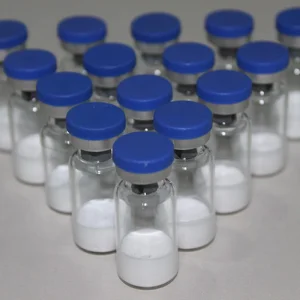
Long-lasting Effect: Provides a prolonged therapeutic window compared to standard vasopressin.
Enhanced Safety Profile: Does not cause dangerous complications such as fibrinolysis or severe cardiovascular side effects.
Convenient Administration: Simple intravenous injection makes it ideal for emergency rescue and acute critical care.

Frequently Asked Questions (FAQ)

1. What is Terlipressin?
Terlipressin (chemical name: triglycyllysine vasopressin) is a synthetic long-acting vasopressin preparation. It functions as an inactive prodrug that slowly releases active lysine vasopressin in the human body.
2. How does Terlipressin work as a prodrug?
In vivo, aminopeptidases slowly cleave the three glycyl residues attached to the N-terminus of Terlipressin. This enzymatic action steadily releases active lysine vasopressin, allowing the drug to act as a reservoir for consistent therapeutic levels.
3. What are the key physiological effects of Terlipressin?
Terlipressin contracts splanchnic vascular smooth muscle, reducing splanchnic blood flow and portal pressure. It also reduces plasma renin concentration, which increases renal blood flow and helps restore renal function and urine production in hepatorenal syndrome patients.
4. What conditions are clinically treated using Terlipressin?
It is primarily indicated for treating esophageal variceal hemorrhage. Furthermore, it is used in managing hepatorenal syndrome, refractory shock, and during cardiopulmonary resuscitation in critical emergency care.
5. Why is Terlipressin preferred over standard vasopressin?
Compared to conventional vasopressin, Terlipressin exhibits a longer duration of action, carries a lower risk of severe cardiovascular complications or fibrinolysis, and is easily administered via intravenous injection.
6. What are the required storage conditions for Terlipressin?
Terlipressin should be kept in a dark place under an inert atmosphere and stored frozen at temperatures below -15°C.

Related Products