1 / 2

| Name | Linaclotide |
| CAS Number | 851199-59-2 |
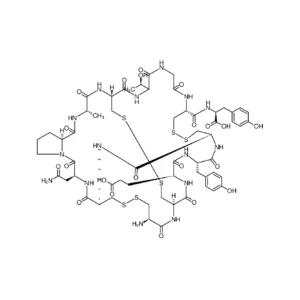
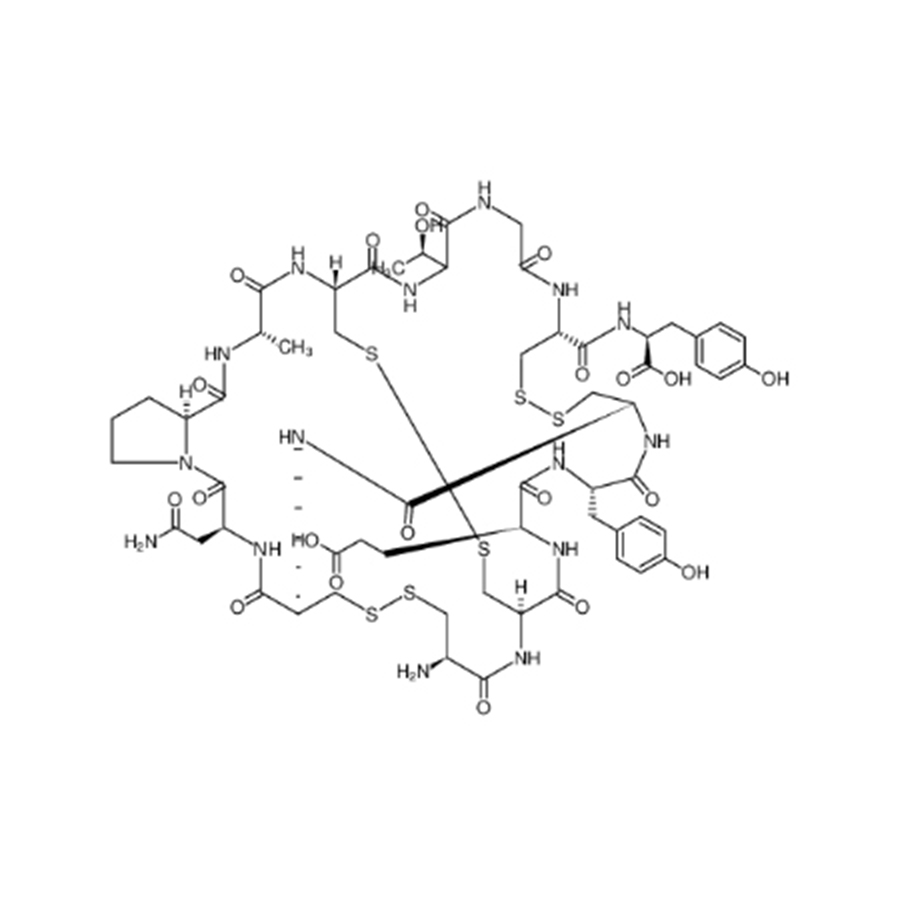
| Molecular Formula | C59H79N15O21S6 |
| Molecular Weight | 1526.74 |
Linaclotide, a synthetic peptide structure containing 14 amino acids, is related to the endogenous guanosine peptide family and is the only FDA-approved GC-C (Guanylate Cyclase-C) agonist drug for the treatment of irritable bowel syndrome with constipation (IBS-C) and chronic idiopathic constipation (CIC) in adults.
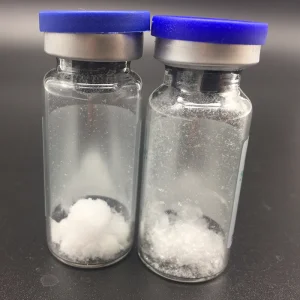
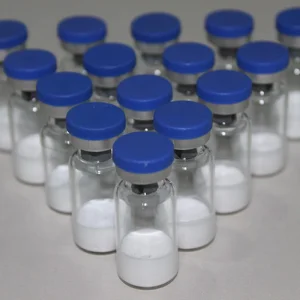
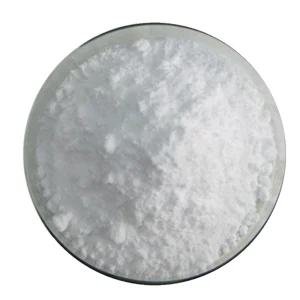
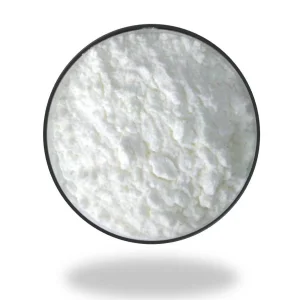
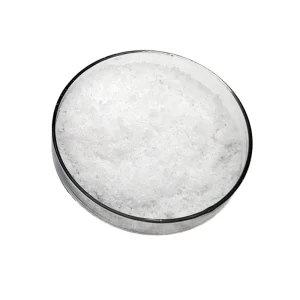
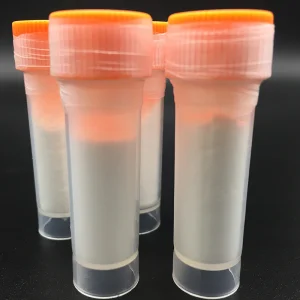
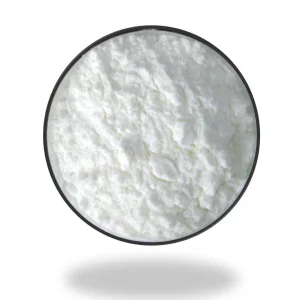
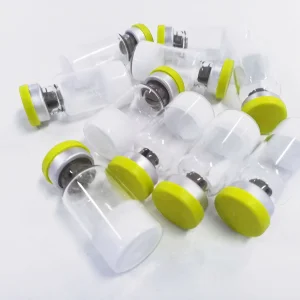
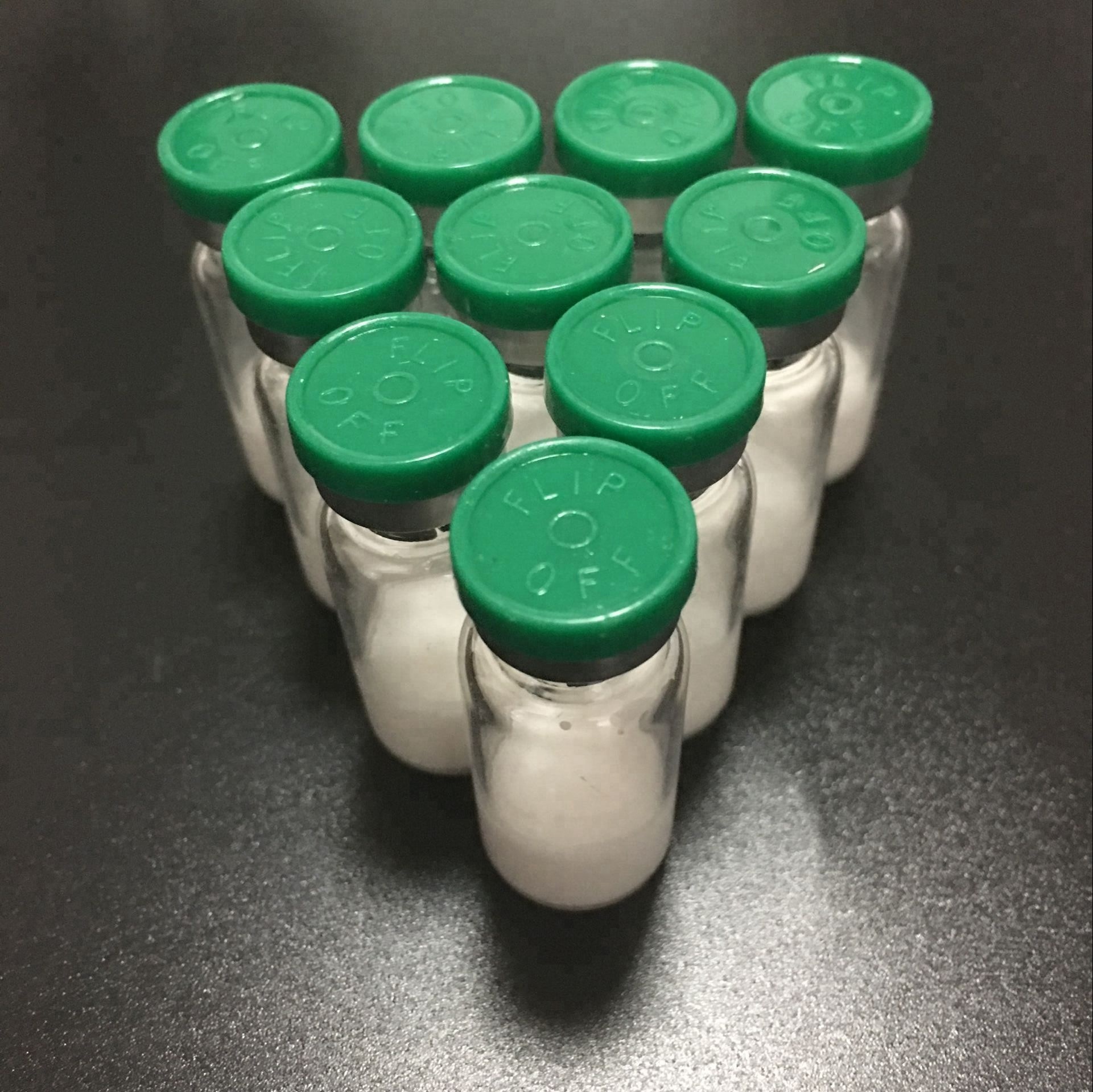
Physical State & Solubility: Linaclotide is a white to off-white amorphous powder; slightly soluble in water and aqueous sodium chloride solution (0.9%).
Linaclotide is a guanylate cyclase-C receptor agonist (GCCA) with both visceral analgesic and endocrine activity. Both linaclotide and its active metabolite can bind to the guanylate cyclase-C (GC-C) receptor on the luminal surface of the small intestinal epithelium.
In animal models, linaclotide reduces visceral pain and increases gastrointestinal transit through activation of GC-C, and in humans, the drug also increases colonic transit. The result of GC-C activation is increased intracellular and extracellular cGMP (cyclic guanosine monophosphate) concentrations. Extracellular cGMP can reduce the activity of pain nerve fibers and reduce visceral pain in model animals. Intracellular cGMP can increase the secretion of chloride and bicarbonate in the small intestine by activating CFTR (cystic fibrosis transmembrane conductance regulator), which eventually leads to the increase of small intestinal fluid secretion and the speed of small intestinal transit.
Linaclotide is an FDA-approved GC-C (Guanylate Cyclase-C) agonist indicated for the treatment of irritable bowel syndrome with constipation (IBS-C) and chronic idiopathic constipation (CIC) in adults.
Linaclotide is a white to off-white amorphous powder. It is slightly soluble in water and in a 0.9% aqueous sodium chloride solution.
Linaclotide binds to the GC-C receptor on the luminal surface of the small intestinal epithelium, increasing intracellular and extracellular cGMP concentrations. This reduces pain nerve fiber activity and increases intestinal fluid secretion and transit speed.
Yes, high-quality export packaging is used. Specialized hazard packing is utilized for dangerous goods, and validated cold storage shippers are employed for temperature-sensitive items.
Shipping costs depend on the selected shipping method. Express delivery is the fastest option, while sea freight is optimal for larger quantities. Exact rates are determined based on weight, volume, and chosen shipping route.