1 / 1

| Name | Orlistat |
| CAS number | 96829-58-2 |
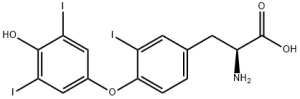
| Molecular formula | C29H53NO5 |
| Molecular weight | 495.73 |
| EINECS Number | 639-755-1 |
| Melting Point | <50°C |
| Density | 0.976±0.06g/cm3 (Predicted) |
| Storage condition | 2-8°C |
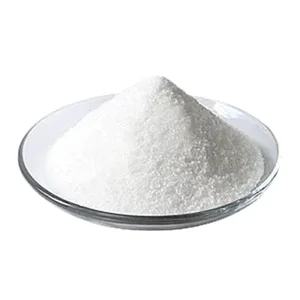
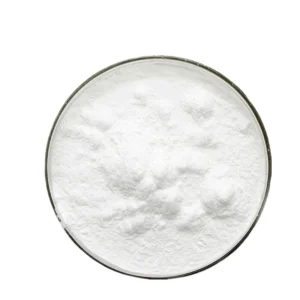
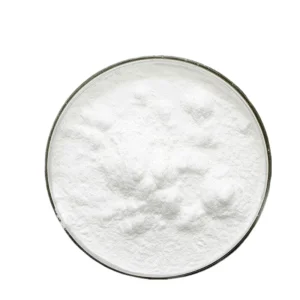
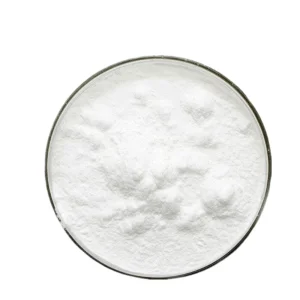
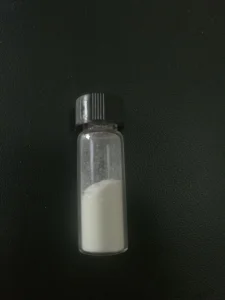
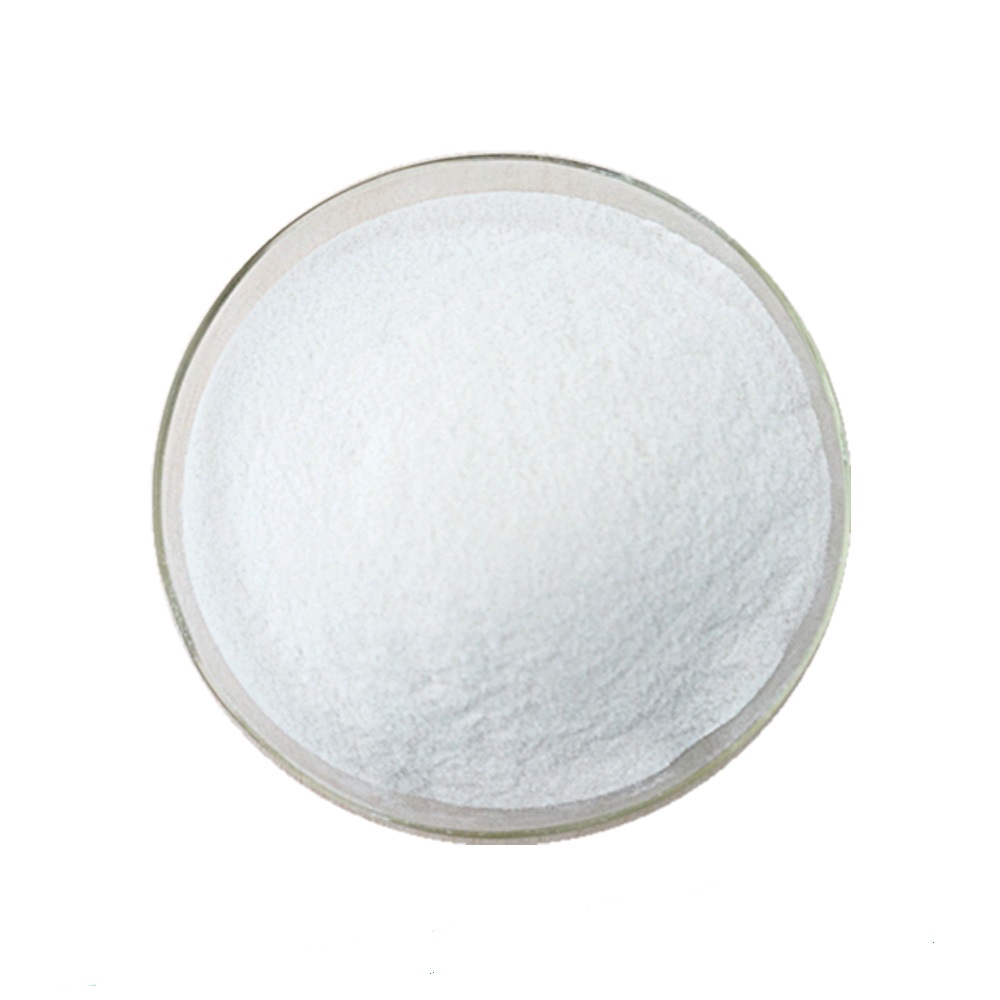
| Form | Powder |
| Color | White |
| Acidity coefficient | (pKa) 14.59±0.23 (Predicted) |
White crystalline powder, almost insoluble in water, easily soluble in chloroform, extremely soluble in methanol and ethanol, easy to pyrolyze, melting point is 40℃~42℃. Its molecule is a diastereomer containing four chiral centers, at a wavelength of 529nm, its ethanol solution has negative optical rotation.
Orlistat is a long-acting and potent specific gastrointestinal lipase inhibitor, which inactivates the above two enzymes by forming a covalent bond with the active serine site of lipase in the stomach and small intestine. Inactivated enzymes cannot break down fat in food into free fatty acids and glycerol that can be absorbed by the body, thereby reducing fat intake and reducing weight. In addition, some studies have found that orlistat inhibits intestinal absorption of cholesterol by inhibiting niemann-pick C1-like protein 1 (NPC1L1).
This product in combination with a mild hypocaloric diet is indicated for the long-term treatment of obese and overweight individuals, including those with established risk factors associated with obesity. This product has long-term weight control (weight loss, weight maintenance and prevention of rebound) efficacy. Taking Orlistat can reduce obesity-related risk factors and the incidence of other obesity-related diseases, including hypercholesterolemia, type 2 diabetes, impaired glucose tolerance, hyperinsulinemia, hypertension, and organ reduction fat content.
Can reduce the absorption of vitamins A, D and E. It can be supplemented with this product at the same time. If you are taking preparations containing vitamins A, D and E (such as some multivitamins), you should take this product 2 hours after taking this product or at bedtime. People with type 2 diabetes may need to reduce the dose of oral hypoglycemic agents (eg, sulfonylureas). Co-administration with cyclosporine can result in a decrease in plasma concentrations of the latter. Concomitant use of amiodarone may result in decreased absorption of the latter and reduced efficacy.
Orlistat is indicated for the long-term treatment of obese and overweight individuals in combination with a mild hypocaloric diet, helping with weight loss, weight maintenance, and prevention of weight rebound.
It functions as a potent gastrointestinal lipase inhibitor, blocking the breakdown of dietary fat into absorbable free fatty acids and glycerol, thereby reducing overall fat absorption and calorie intake.
Orlistat powder should be stored under refrigerated conditions at temperatures between 2°C and 8°C.
Orlistat can reduce the absorption of fat-soluble vitamins A, D, and E. If vitamin supplements are needed, they should be taken at least 2 hours after Orlistat or at bedtime.
Yes, Orlistat may reduce the absorption of cyclosporine and amiodarone. Additionally, patients with type 2 diabetes may need to adjust their dosage of oral hypoglycemic agents (such as sulfonylureas).
Orlistat is a white crystalline powder that is almost insoluble in water, easily soluble in chloroform, and extremely soluble in methanol and ethanol.