
OEM Caspofungin for Antifungal Infections Manufacturer, Suppliers

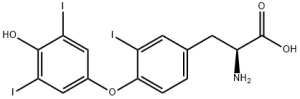
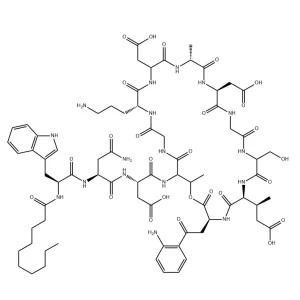
Name: Caspofungin CAS number: 162808-62-0 Molecular formula: C52H88N10O15 Molecular weight: 1093.31 EINECS Number: 1806241-263-5 Boiling point: 1408.1±65.0 °C (Predicted) Density: 1.36±0.1 g/cm3(Predicted) Acidity coefficient: (pKa) 9.86±0.26 (Predicted)

Product Description

Chemical & Physical Specifications
Name Caspofungin
CAS Number 162808-62-0
Molecular Formula C52H88N10O15
Molecular Weight 1093.31
EINECS Number 1806241-263-5
Boiling Point 1408.1±65.0 °C (Predicted)
Density 1.36±0.1 g/cm3 (Predicted)
Acidity Coefficient (pKa) 9.86±0.26 (Predicted)
Synonyms & Identifiers
CS-1171; Caspofungine; CASPOFUNGIN; CASPORFUNGIN; PneuMocandinB0,1-[(4R,5S)-5-[(2-aMinoethyl)aMino]-N2-(10,12-diMethyl-1-oxotetradecyl)-4-hydroxy-L-ornithine]-5-[(3R)-3-hydroxy-L-ornithine]-; CaspofunginMK-0991; Aids058650; Aids-058650
Product Overview
Caspofungin was the first echinocandin approved for the treatment of invasive fungal infections. In vitro and in vivo experiments confirmed that caspofungin has good antibacterial activity against important opportunistic pathogens—Candida and Aspergillus. Caspofungin can rupture the cell wall by inhibiting the synthesis of 1,3-β-glucan. Clinically, caspofungin has a good effect on the treatment of various candidiasis and aspergillosis.
Mechanism of Action & Pharmacokinetics
(1,3)-D-glucan synthase is a key component of fungal cell wall synthesis, and caspofungin can exert an antifungal effect by non-competitively inhibiting this enzyme. After intravenous administration, the plasma drug concentration drops rapidly due to tissue distribution, followed by a gradual rerelease of the drug from the tissue.
Metabolism of caspofungin increased with increasing dose and was dose-related in the time to steady state with multiple doses. Therefore, in order to achieve effective therapeutic levels and avoid drug accumulation, a first loading dose should be administered followed by a maintenance dose. When using cytochrome p4503A4 inducers at the same time, such as rifampicin, carbamazepine, dexamethasone, phenytoin, etc., it is recommended to increase the maintenance dose of caspofungin.
FDA-Approved Indications
1

Fever with Neutropenia

Defined as: fever >38°C with absolute neutrophil count (ANC) ≤500/ml, or with ANC ≤1000/ml and predicted reduction to below 500/ml. Per IDSA recommendations, empirical antifungal therapy with caspofungin is advised for persistent fever in high-risk patients.

2

Invasive Candidiasis

IDSA recommends echinocandins (such as caspofungin) as the primary drug of choice for candidemia. It is also indicated for treating intra-abdominal abscesses, peritonitis, and chest infections caused by Candida species.

3

Esophageal Candidiasis

Indicated for treating esophageal candidiasis in patients refractory or intolerant to other therapies. Clinical studies confirm that the therapeutic efficacy of caspofungin is comparable to fluconazole.

4

Invasive Aspergillosis

Approved for treating invasive aspergillosis in patients with intolerance, resistance, or therapeutic failure to primary antifungal agents like voriconazole. Note: Echinocandins are not recommended as first-line therapy.
Frequently Asked Questions (FAQ)
What is Caspofungin used for?
Caspofungin is an echinocandin antifungal medication approved to treat invasive fungal infections, including fever with neutropenia, invasive candidiasis, esophageal candidiasis, and refractory invasive aspergillosis.
How does Caspofungin work against fungal cell walls?
Caspofungin exerts its antifungal effect by non-competitively inhibiting (1,3)-D-glucan synthase, an enzyme critical for fungal cell wall synthesis, leading to osmotic instability and cell wall rupture.
Why is an initial loading dose necessary for Caspofungin treatment?
Because plasma drug concentrations drop rapidly due to initial tissue distribution after administration, a loading dose is administered first to achieve therapeutic levels, followed by maintenance doses to avoid drug accumulation.
Do CYP3A4 inducers interact with Caspofungin dosage?
Yes. Co-administration of CYP3A4 inducers (such as rifampicin, carbamazepine, dexamethasone, or phenytoin) increases caspofungin metabolism, requiring an increased maintenance dose.
Is Caspofungin considered first-line treatment for Invasive Aspergillosis?
No, echinocandins such as caspofungin are not recommended as first-line therapy for invasive aspergillosis, but are approved for patients with resistance, intolerance, or failure to voriconazole therapy.

Related Products