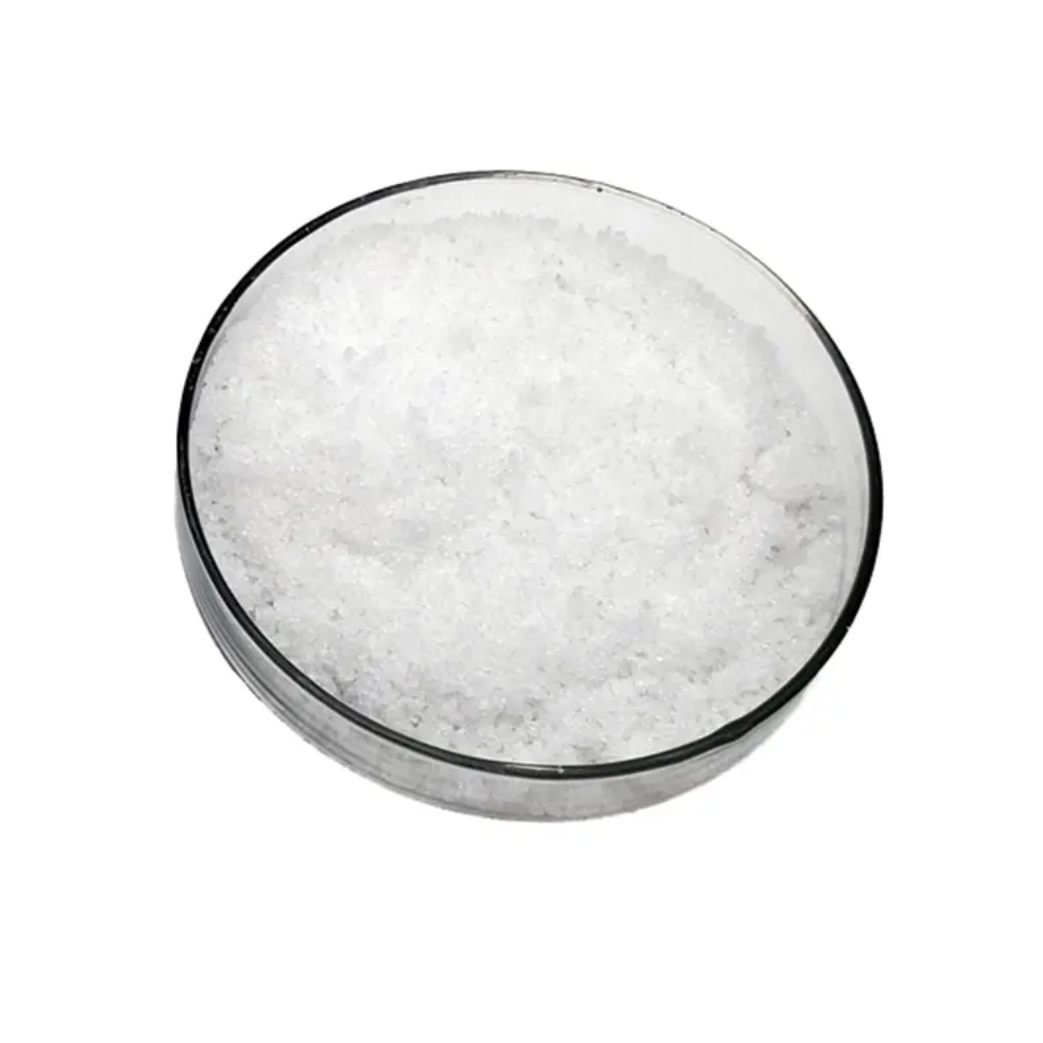

OEM Fmoc-Thr(tBu)-Phe-OH Company, Product

Fmoc-Thr(tBu)-Phe-OH is a dipeptide building block commonly used in solid-phase peptide synthesis (SPPS). The Fmoc (9-fluorenylmethyloxycarbonyl) group protects the N-terminus, while the tBu (tert-butyl) group protects the hydroxyl side chain of threonine. This protected dipeptide is studied for its role in facilitating efficient peptide elongation, reducing racemization, and modeling specific sequence motifs in protein structure and interaction studies.

Product Description

Fmoc-Thr(tBu)-Phe-OH

Research Application

Fmoc-Thr(tBu)-Phe-OH is a dipeptide building block commonly used in solid-phase peptide synthesis (SPPS). The Fmoc (9-fluorenylmethyloxycarbonyl) group protects the N-terminus, while the tBu (tert-butyl) group protects the hydroxyl side chain of threonine. This protected dipeptide is studied for its role in facilitating efficient peptide elongation, reducing racemization, and modeling specific sequence motifs in protein structure and interaction studies.

Function

Fmoc-Thr(tBu)-Phe-OH serves as a precursor for synthesizing peptides that include threonine and phenylalanine residues, which are important for forming hydrogen bonds and hydrophobic interactions. The threonine side chain contributes polarity and potential phosphorylation sites, while phenylalanine adds aromatic character and structural stability. This combination is useful in designing peptides for biological assays, receptor binding studies, and drug discovery applications.
Frequently Asked Questions (FAQ)

Q1: What is Fmoc-Thr(tBu)-Phe-OH used for in research?
It is primarily used as a dipeptide building block in solid-phase peptide synthesis (SPPS), facilitating efficient peptide elongation and helping model sequence motifs in protein structure studies.
Q2: What roles do the protecting groups play in Fmoc-Thr(tBu)-Phe-OH?
The Fmoc (9-fluorenylmethyloxycarbonyl) group protects the N-terminus, while the tBu (tert-butyl) group protects the side-chain hydroxyl group of threonine during synthesis.
Q3: How does this dipeptide building block reduce racemization?
Using pre-coupled protected dipeptides like Fmoc-Thr(tBu)-Phe-OH minimizes potential racemization issues during complex sequence couplings compared to single amino acid couplings.
Q4: What structural characteristics do threonine and phenylalanine contribute?
Threonine provides polarity and potential phosphorylation sites for hydrogen bonding, while phenylalanine introduces aromatic character and structural stability through hydrophobic interactions.
Q5: In what applications is Fmoc-Thr(tBu)-Phe-OH typically applied?
It is widely applied in designing synthesized peptides for biological assays, receptor binding investigations, and advanced drug discovery programs.

Related Products