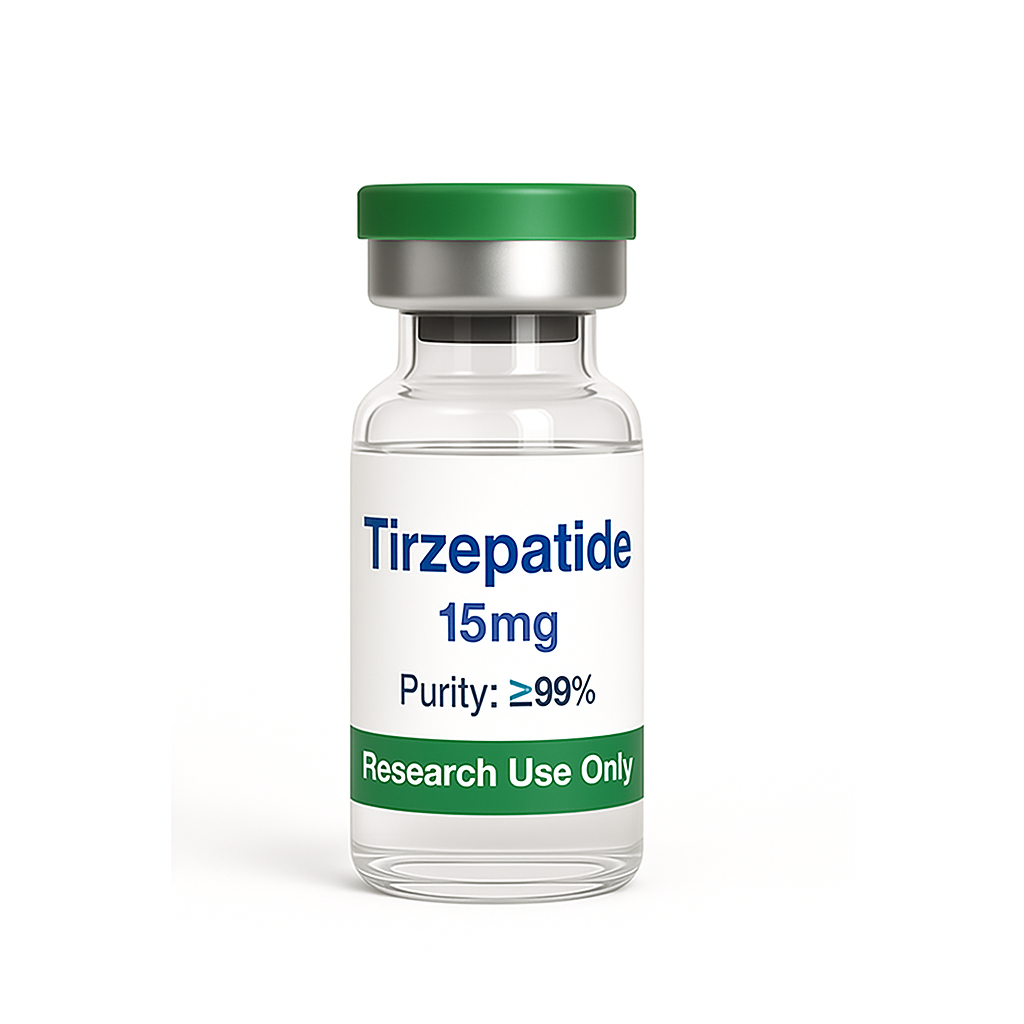
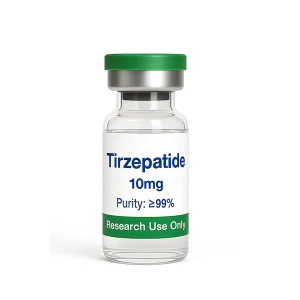
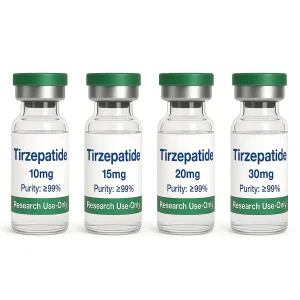
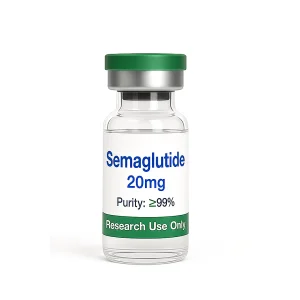
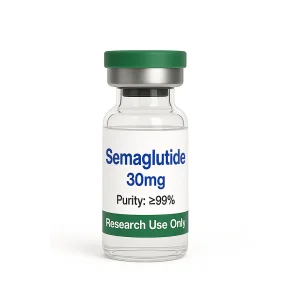
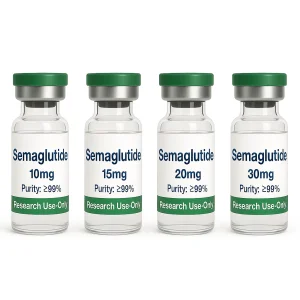
Mainly used for weight management (Weight Loss) and type 2 diabetes (T2DM) research.
Storage Conditions
❄️Before preparation: Refrigerate at 2°C~8°C, avoid direct sunlight.
🧪After preparation: Store at 2°C~8°C, recommended to use within 24-48 hours.
Instructions for Use
Dissolution Method
✓
Use sterile water for injection (Bacteriostatic Water, BW) or 0.9% sodium chloride solution (Normal Saline, NS) to dissolve.
✓
Gently rotate the bottle, do not shake violently to avoid damaging the protein structure.
Injection Method
✓Subcutaneous injection (SC): Usually once a week, the specific dose needs to be adjusted according to research or doctor's advice.
✓Recommended injection sites: Abdomen, outer thigh, or upper arm.
Precautions
Please consult a professional medical staff before use.
Maintain aseptic operation during preparation to avoid contamination.
Do not use if discoloration, precipitation or particles are found.
Frequently Asked Questions (FAQ)
1. What are the primary applications of Tirzepatide 15mg?
Tirzepatide 15mg is primarily designated for research in weight management (weight loss) and type 2 diabetes mellitus (T2DM).
2. How should Tirzepatide lyophilized powder be stored?
Before preparation, store it refrigerated at 2°C to 8°C away from direct sunlight. Once prepared, keep it refrigerated at 2°C to 8°C and use it within 24 to 48 hours.
3. What liquids should be used to dissolve the powder?
Dissolve the lyophilized powder using sterile water for injection (Bacteriostatic Water, BW) or 0.9% sodium chloride solution (Normal Saline, NS). Rotate the vial gently without shaking.
4. What is the recommended injection route and frequency?
It is administered via subcutaneous injection (SC), typically once a week. The exact dosage should follow professional medical guidance or research protocols.
5. Which areas are suitable for subcutaneous injection?
Suitable subcutaneous injection sites include the abdomen, outer thigh, or upper arm.
6. When should the product NOT be used?
Do not use the solution if you observe any discoloration, precipitation, or visible floating particles after reconstitution, or if aseptic conditions were compromised.