Global Industrial Status, Advanced Chemical Synthesis Pathways, Chinese Manufacturing Supply Chain Matrix, and Comprehensive Technical Procurement Guidelines.
An in-depth analysis of global market capitalization, demand mechanics, regulatory compliance mandates, and wholesale distribution networks for high-purity Orlistat active pharmaceutical ingredients.
Orlistat (CAS No. 96829-58-2), chemically designated as (S)-((S)-1-((2S,3S)-3-hexyl-4-oxooxetan-2-yl)tridecan-2-yl) 2-formamido-4-methylpentanoate, represents the gold standard in non-systemic anti-obesity pharmacotherapy. Unlike central nervous system appetite suppressants, Orlistat functions locally within the lumen of the stomach and small intestine by covalently binding to the active serine residue of gastric and pancreatic lipases. Inactivating these enzymes prevents the hydrolysis of dietary triglycerides into absorbable free fatty acids and monoglycerides, resulting in a 30% reduction in dietary fat absorption. The unabsorbed lipids are subsequently excreted, providing a clinically validated mechanism for weight reduction and metabolic health management.
The global commercial distribution of Orlistat 98% purity powder is bifurcated into Prescription (Rx - 120 mg) and Over-The-Counter (OTC - 60 mg) formulations. Regulated markets such as North America (US FDA) and Europe (EMA) enforce rigorous requirements regarding impurity profiles, stereoisomeric purity, and polymorph stability. Sourcing pure Orlistat API with complete Drug Master File (DMF) registration, Certificate of Suitability (CEP/COS), and WHO-cGMP certification is paramount for pharmaceutical generic manufacturers aiming to capture market share in both hospital supply chains and retail dietary supplement sectors.
Commercial synthesized Orlistat possesses four chiral centers, creating up to 16 potential stereoisomers. High-purity 98% Orlistat must rigidly control diastereomeric impurities (specifically the (R,S,S,S)-isomer and open-ring hydrolyzed side products). Top-tier wholesale suppliers utilize asymmetric synthesis or specialized enzymatic fermentation of Streptomyces toxytricini followed by precise catalytic hydrogenation to guarantee stereospecific yield and compliance with USP/EP monographs.
Rigorous Certificate of Analysis (CoA) benchmarks for Wholesale Best Price Orlistat 98% Purity Raw Powder under international cGMP compliance.
| Analytical Parameter | USP / EP Standard Criteria | Gentolex High-Purity Grade Specifications | Test Methodology |
|---|---|---|---|
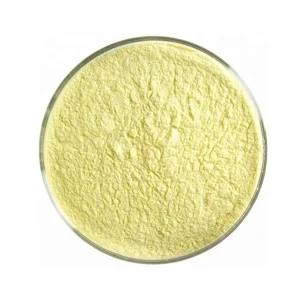
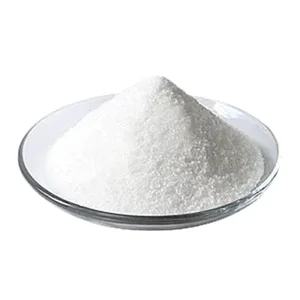
| Appearance | Off-white to white crystalline powder | White crystalline powder / Pellets | Visual / Microscopic |
| Chemical Identification | IR Spectrum conforms to Reference Standard | Positive IR & 1H-NMR Match | FTIR / NMR Spectroscopy |
| Assay (HPLC) | 97.0% - 102.0% (Dried Basis) | ≥ 98.5% - 99.8% ( anhydrous & solvent-free) | High-Performance Liquid Chromatography |
| Specific Optical Rotation [a]D20 | -43.0° to -47.0° | -44.5° to -46.5° (c=1 in methanol) | Polarimetry |
| Melting Point | 40.0°C to 45.0°C | 43.0°C to 44.5°C | Capillary / DSC |
| Individual Related Impurities | ≤ 0.5% | ≤ 0.15% (Diastereomers & Open-ring products) | Reverse-Phase HPLC-UV |
| Total Impurities | ≤ 1.5% | ≤ 0.50% | RP-HPLC |
| Heavy Metals | ≤ 20 ppm | ≤ 5 ppm | ICP-MS |
| Loss on Drying / Water Content | ≤ 0.5% | ≤ 0.20% | Karl Fischer Titration |
| Microbial Enumeration | TAMC ≤ 1000 CFU/g, TYMC ≤ 100 CFU/g | Pathogen Free (E. coli, Salmonella, S. aureus) | Microbiological Assay |
Orlistat exhibits complex polymorphism (Form I and Form II). Form II represents the thermodynamically stable crystalline modification preferred for commercial pelletization and capsule filing. Our strict crystallization protocols ensure batch-to-batch polymorph uniformity, mitigating dissolution rate variations in final dosage forms.
Utilizing advanced green chemistry downstream processing, residual organic solvents (such as ethyl acetate, heptane, and dichloromethane) are strictly controlled well below ICH Q3C limits via automated vacuum tray drying and fluid-bed degassing.
Available in Micronized (D90 < 20μm) and Standard Crystalline grades. Micronization facilitates rapid dispersion during direct-compression or extrusion-spheronization pellet production, maximizing bioavailability and stability.
How Chinese chemical manufacturing infrastructure delivers competitive wholesale pricing, uncompromised purity, and supply chain security to global pharmaceutical buyers.
Chinese chemical producers benefit from localized upstream integration of basic precursors, key intermediates (e.g., (R)-octyloxirane and leucine-derived synthons), and fermentative substrates. By eliminating international intermediate freight and import tariffs, Chinese manufacturers offer the market's most competitive FOB pricing for 98% Orlistat API.
With modern semi-synthetic routes combining high-yield Lipstatin bacterial fermentation with automated catalytic hydrogenation, Chinese chemical hubs (such as Zhejiang, Jiangsu, and Shandong clusters) achieve economies of scale. Continuous process flow reactors allow metric-ton annual production outputs with zero batch-to-batch discrepancy.
Modern Chinese API facilities operate under strict state environmental protection frameworks and international quality audits. Full compliance with ISO 9001, ISO 14001, and cGMP guarantees robust risk management, environmental sustainability, and guaranteed batch clearance for Western export markets.
Exploring the operational utilization of 98% Orlistat API across distinct pharmaceutical manufacturing dosage forms and health product matrices.
The primary commercial application of Orlistat 98% powder is the production of standard 60mg and 120mg hard gelatin or HPMC capsules. Because Orlistat has a low melting point (~43°C), conventional direct compression can lead to thermal degradation or sticky massing during high-speed encapsulation. Formulation engineers utilize Extrusion-Spheronization techniques to manufacture Orlistat micro-pellets coated with microcrystalline cellulose (MCC), sodium starch glycolate, and povidone (PVP-K30). This ensures thermal stability during processing and rapid dissolution in gastrointestinal fluids.
In clinical settings, Orlistat raw material is integrated into combination therapy research. Because Orlistat operates purely through a peripheral intestinal pathway without altering central neurotransmitters, it is increasingly combined with complementary metabolic therapies—such as insulin sensitizers, dietary fiber blends, or oral GLP-1 co-formulations—to target dual weight loss and dyslipidemia management.
In regions where regulatory frameworks permit low-dose OTC lipase inhibitor health products, standard bulk Orlistat is formulated into specialized lipid-blocking dietary sachets or meal-replacement drink mixes. Micronized Orlistat powder ensures homogeneous dispersion when suspended in non-aqueous carrier matrices.
High-purity Orlistat 98% is frequently utilized in comparative physiology and veterinary research studies evaluating canine or feline metabolic syndrome, hepatic lipidosis, and dietary fat digestion kinetics under controlled experimental protocols.
Strategic market forces shaping the future demand, bioprocess innovations, and commercial positioning of Orlistat API worldwide.
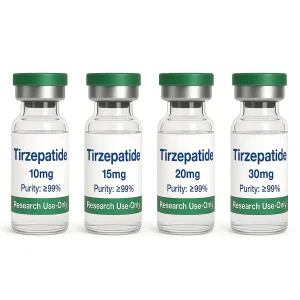
Despite the market expansion of GLP-1 peptide receptor agonists (e.g., Semaglutide, Tirzepatide), Orlistat retains a critical, non-overlapping market segment. As a low-cost, oral, non-systemic agent without thyroid or systemic black-box warnings, Orlistat serves as an ideal maintenance drug post-GLP-1 therapy to prevent rebound weight gain, as well as an accessible solution in emerging markets.
The transition from classical organic synthesis to engineered enzymatic cascade synthesis is lowering solvent toxicity and carbon footprints. Advanced enzyme immobilization tech for asymmetric reduction step allows suppliers to achieve ≥99.0% enantiomeric excess (ee), dramatically reducing hazardous waste and lowering wholesale manufacturing costs.
Innovations in gastro-retentive drug delivery systems (GRDDS) and lipid-emulsifying excipients are revolutionizing Orlistat administration. Novel formulations entrap unabsorbed dietary fats more effectively within the lower GI tract, reducing traditional gastrointestinal adverse effects (such as oily spotting) and increasing patient adherence.
A structured E-E-A-T Framework for Procurement Directors, Quality Assurance Managers, and Supply Chain Officers when evaluating wholesale Orlistat 98% API vendors.
Ensure the target API manufacturer holds valid cGMP certificates from recognized authorities (e.g., US FDA, NMPA, EDQM, WHO). Demand complete access to the Drug Master File (DMF), including Type II DMF filings in the USA or CEP certificates in Europe. Verify stability data packages conducted according to ICH Q1A(R2) guidelines under long-term (25°C/60% RH) and accelerated (40°C/75% RH) conditions.
Request full LC-MS and NMR spectral verification for batch-release validation. The supplier must demonstrate robust analytical control over mutagenic impurities (nitrosamines testing) and residual elemental catalysts (ICP-MS data). Confirm that batch production records (BPR) trace all raw material lots back to primary synthesis steps.
Due to Orlistat’s low melting point (40°C - 45°C), transit during hot summer months requires temperature-controlled cold-chain logistics (2°C - 8°C or insulated reefer containers). Evaluate whether the wholesale supplier provides double polyethylene inner bag lining with aluminum foil heat-sealed outer barrier packaging containing desiccant packs.
Assess vendor capacity to support flexible minimum order quantities (MOQ starting from 1kg sample size to multi-ton commercial contracts). Verify vendor warehousing footprint across international regions (e.g., regional hubs in Latin America, Africa, or Europe) to guarantee short lead times and mitigation against global maritime disruptions.
Connecting global healthcare and biopharmaceutical markets with reliable supply chain solutions and guaranteed API product excellence.
Gentolex’s goal is to create opportunities connecting the world with better services and guaranteed products. Up to date, Gentolex Group has been serving customers from more than 10 countries, with established international representatives in Mexico and South Africa.
Our core technical services focus on supplying high-purity Peptide APIs, Custom Peptide Synthesis, FDF (Finished Dosage Form) License Out, Technical Consultation, Comprehensive Product Line and Laboratory Setup, as well as Customized Procurement and Supply Chain Solutions.
International standard construction area providing flexible, scalable, and cost-effective API solutions.
Extensive API portfolio with full regulatory document support (CoA, DMF, ISO) for commercial applications.
Streamlined single-point procurement avoiding multi-vendor complexity for high-tier chemical buyers.
Direct distribution channels serving 10+ countries with localized hubs in LATAM and Africa.


Stay informed with cutting-edge chemical synthesis, peptide manufacturing, and global API market intelligence.

Introduction to Selank Acetate API: A synthetic heptapeptide active pharmaceutical ingredient composed of Thr-Lys-Pro-Arg-Pro-Gly-Pro sequence for advanced pharmacological research...
View Details
Trusted Thymosin Beta-4 API manufacturer delivering cGMP peptide solutions for biotechnology companies and research organizations globally...
View Details
Synthetic pentadecapeptide research highlighting biological mechanisms in tissue repair, gastrointestinal protection, and inflammatory regulation...
View Details
Investigating ACTH-derived neuroactive peptides, molecular purity specifications, and commercial peptide laboratory processing...
View Details
Mitochondria-targeting tetrapeptide engineered to bind cardiolipin, stabilizing mitochondrial structure and supporting bioenergetics...
View DetailsAddressing key technical, regulatory, and procurement inquiries regarding Wholesale Best Price Orlistat 98% Purity API.
Wholesale Orlistat pricing is governed by raw material precursor availability (such as leucine synthons and fermentation feedstocks), order volume (1kg vs. 500kg multi-ton contracts), certification level (Standard Tech Grade vs. cGMP FDA/CEP DMF grade), and customized particle sizing requirements (standard crystalline vs. micronized powder).
The pharmacopeial standards (USP/EP) dictate an assay specification of 97.0% to 102.0% on an anhydrous basis. A purity level of ≥ 98.0% ensures that unwanted diastereomers, open-ring lactone degradation products, and organic impurities remain well below ICH thresholds (≤ 0.15%), ensuring product safety, dosage precision, and extended formulation shelf-life.
Orlistat has a relatively low melting point of 40°C to 45°C. It must be stored in tightly sealed, light-resistant containers under cold conditions (2°C - 8°C). For bulk shipping, suppliers utilize double food-grade PE bags inside sealed aluminum foil bags, enclosed in fiber drums with silica desiccants. Cold-chain reefer transport is mandatory during summer transits.
Standard commercial shipments include a batch-specific Certificate of Analysis (CoA), Material Safety Data Sheet (MSDS), Certificate of Origin (COO), and BSE/TSE-free certification. For pharmaceutical formulation license applications, Open-Part DMF, CEP, and cGMP compliance certificates can be provided upon executing an NDA.
Yes. In fact, pelletization via extrusion-spheronization is the preferred manufacturing methodology for 60mg and 120mg Orlistat final dosage forms. Direct filling of raw powder often results in flowability issues and melting during machine compression. Pellets coated with stabilizing polymers prevent degradation and optimize GI dissolution profiles.
Standard stock quantities (1kg to 100kg) are dispatched within 3 to 5 business days via express air freight (DHL/FedEx with temperature control). Commercial bulk orders (500kg+) generally require 2 to 4 weeks for fresh batch synthesis, QA release testing, and customs export clearance.