1 / 1

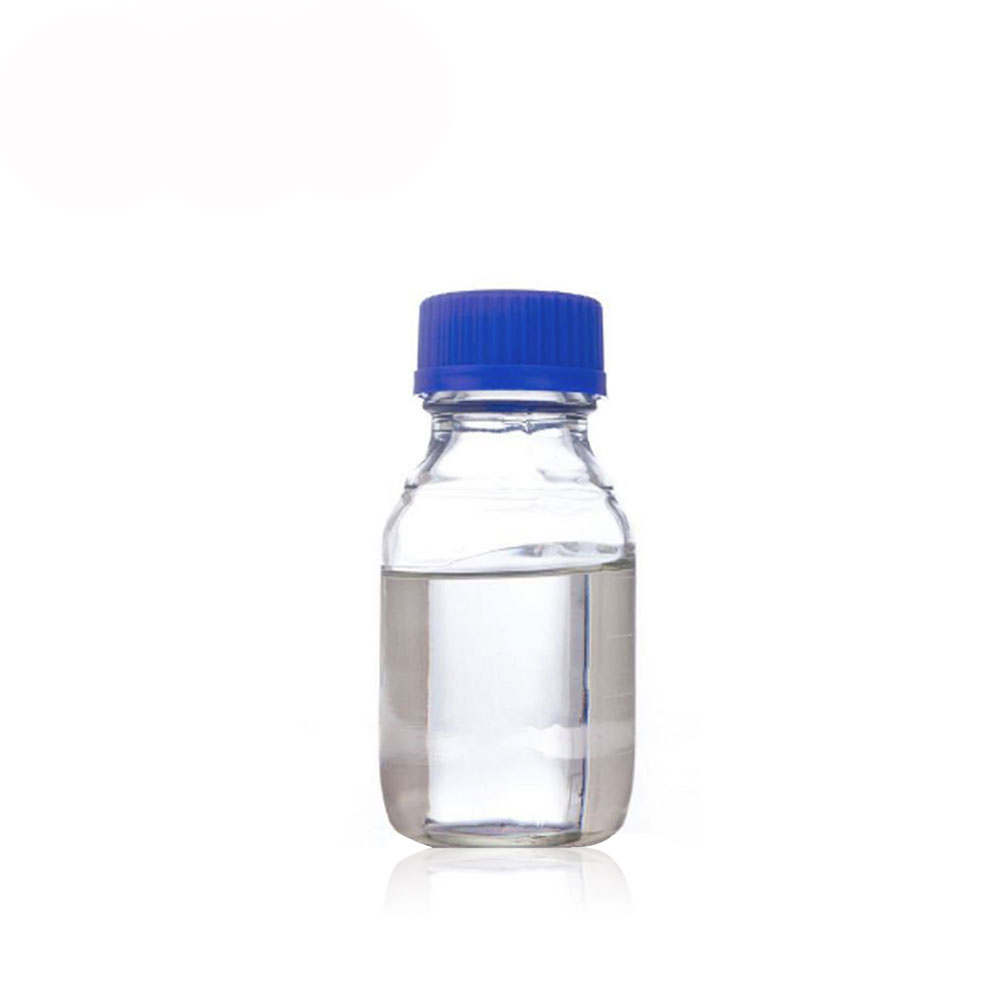
| Product Name | N, N-Dimethylacetamide / DMAC |
|---|---|
| CAS No. | 127-19-5 |
| Molecular Formula (MF) | C4H9NO |
| Molecular Weight (MW) | 87.12 |
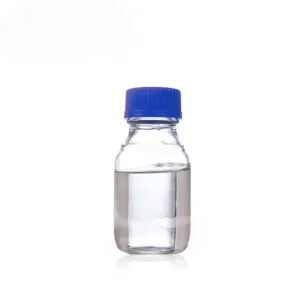
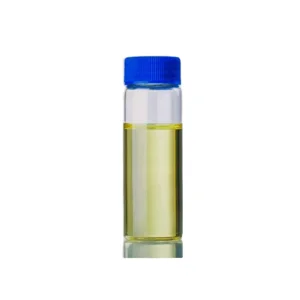
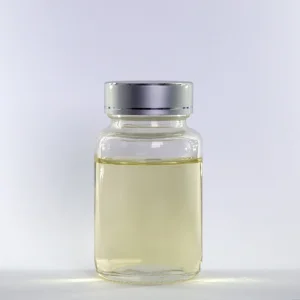
| Form & Color | Liquid, Colorless to yellowish |
| Density | 0.937 g/mL at 25 °C (lit.) |
| Melting Point | -20°C |
| Boiling Point | 164.5 - 166°C |
| Flash Point | 158 °F (70 °C) |
| Vapor Density | 3.89 (vs air) |
| Vapor Pressure | 40 mm Hg (19.4 °C) |
| Refractive Index | n20/D 1.439 (lit.) |
| Acidity Coefficient (pKa) | -0.41 ± 0.70 (Predicted) |
| Relative Polarity | 6.3 |
| pH Value | 4 (200g/l, H2O, 20℃) |
| Odor | Faint ammonia odor |
| Odor Threshold | 0.76 ppm |
| Solubility | >1000 g/l soluble; Miscible with water |
| Solvent Compatibility | Miscible with water, alcohol, ether, ester, benzene, chloroform, and aromatic compounds. |
| Storage Conditions | Store below +30°C. |
| Packaging Options | 1 L/bottle, 25 L/drum, 200 L/drum |
Synonyms: Acetic acid dimethylacetamide; N, N-Dimethylacetamide.
N,N-Dimethylacetamide, commonly referred to as acetyldimethylamine or DMAC, is an aprotic, highly polar solvent characterized by a faint ammonia odor. Due to its strong solvent power and broad spectrum of solubility, DMAC easily dissolves a wide range of organic and inorganic compounds. It is fully miscible with water, aromatic compounds, esters, ketones, alcohols, ethers, benzene, and chloroform. Additionally, DMAC functions effectively to activate compound molecules, making it an indispensable solvent and reaction medium.
DMAC's high boiling point, elevated flash point, thermal stability, and chemical stability make it ideal for demanding industrial operations:
1. Synthetic Fiber & Polymer Processing: Primarily utilized as a spinning solvent for synthetic fibers such as polyacrylonitrile (acrylic) and polyurethane, as well as synthetic polyamide resins. It acts as an optimal solvent for polyacrylonitrile spinning, synthetic and natural resins, vinyl formate, vinyl pyridine copolymers, and aromatic carboxylic acids.
2. Pharmaceutical & Pesticide Synthesis: Extensively employed in the medical and agricultural sectors to synthesize key antibiotics, pharmaceuticals, and active pesticide ingredients.
3. Catalytic Reactions & Synthesis: Serves as a catalyst and solvent medium in chemical processes, including the thermal production of cyanuric acid from urea, alkylation reactions (producing nitriles or alkyl alkynes), and reaction of organic halides with cyanates to yield isocyanates.
4. Specialty Industrial Applications: Used as an extractive distillation solvent for separating styrene from C8 fractions, an electrolytic solvent, photographic coupler solvent, paint stripper/remover, and as a medium for complex crystalline solvent adducts.