1 / 1

Liraglutide is a GLP-1 analog with 97% sequence homology to human GLP-1, which can bind to and activate the GLP-1 receptor. The GLP-1 receptor is the target of native GLP-1, an endogenous incretin hormone that promotes glucose concentration-dependent insulin secretion from pancreatic β cells. Unlike native GLP-1, the pharmacokinetic and pharmacodynamic profiles of liraglutide in humans are suitable for a once-daily dosing regimen. After subcutaneous injection, its mechanism of prolonged action includes: self-association that slows absorption; binding to albumin; Higher enzyme stability and thus longer plasma half-life.
The activity of liraglutide is mediated by its specific interaction with the GLP-1 receptor, resulting in an increase in cyclic adenosine monophosphate (cAMP). Liraglutide stimulates insulin secretion in a glucose concentration-dependent manner, while reducing excess glucagon secretion in a glucose concentration-dependent manner.
Therefore, when blood glucose rises, insulin secretion is stimulated, while glucagon secretion is inhibited. In contrast, liraglutide reduces insulin secretion during hypoglycemia without affecting glucagon secretion. The hypoglycemic mechanism of liraglutide also includes a slight prolongation of gastric emptying time. Liraglutide reduces body weight and body fat mass by reducing hunger and energy intake.
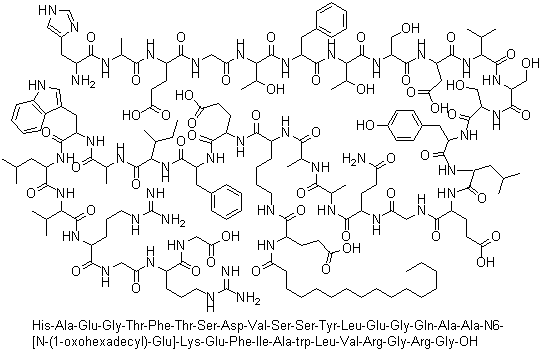
The active ingredient is Liraglutide, an analog of human glucagon-like peptide-1 (GLP-1) produced by yeast through genetic recombination technology.
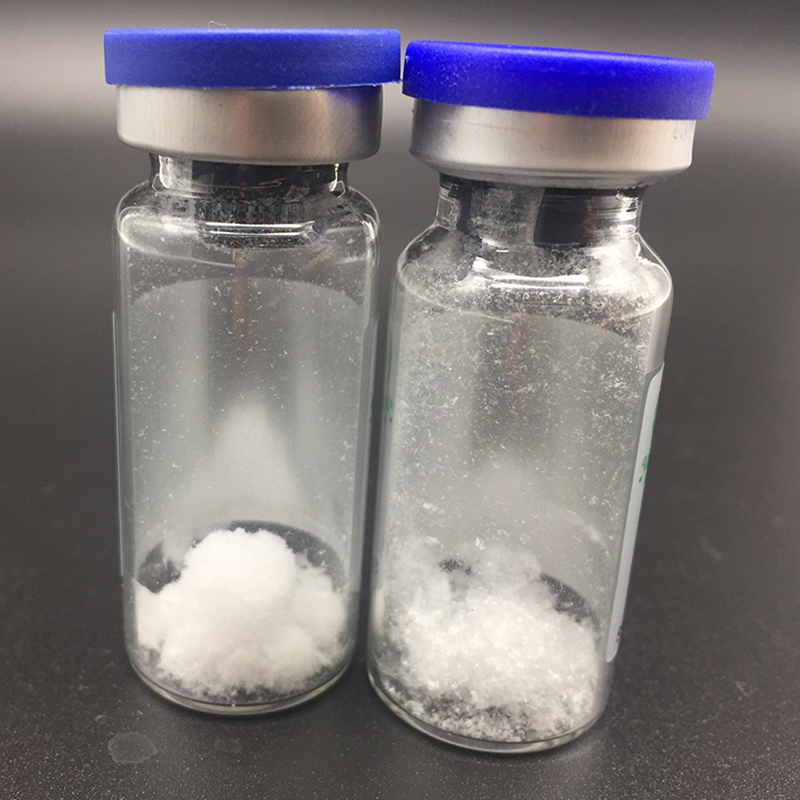
It requires light resistance and storage at 2–8°C. Transportation should be handled via cold chain and cool storage delivery.
Liraglutide increases insulin secretion in response to elevated blood glucose levels, delays gastric emptying, and suppresses prandial glucagon secretion to reduce meal-related hyperglycemia.
It shows a negligible risk of hypoglycemia because it acts in a glucose-dependent manner, stimulating insulin secretion only when blood glucose levels are higher than normal.
Liraglutide decreases appetite, reduces hunger, and lowers overall energy intake, thereby reducing body weight and body fat mass.
Its prolonged action after subcutaneous injection is achieved through self-association to slow absorption, binding to albumin, and higher enzyme stability leading to a longer plasma half-life.