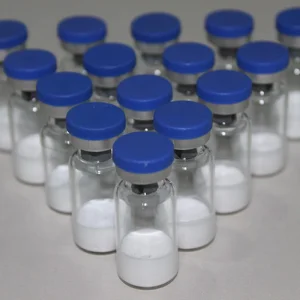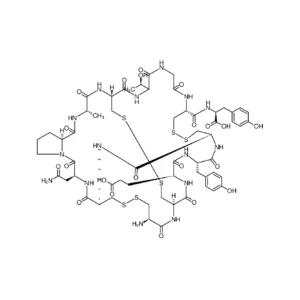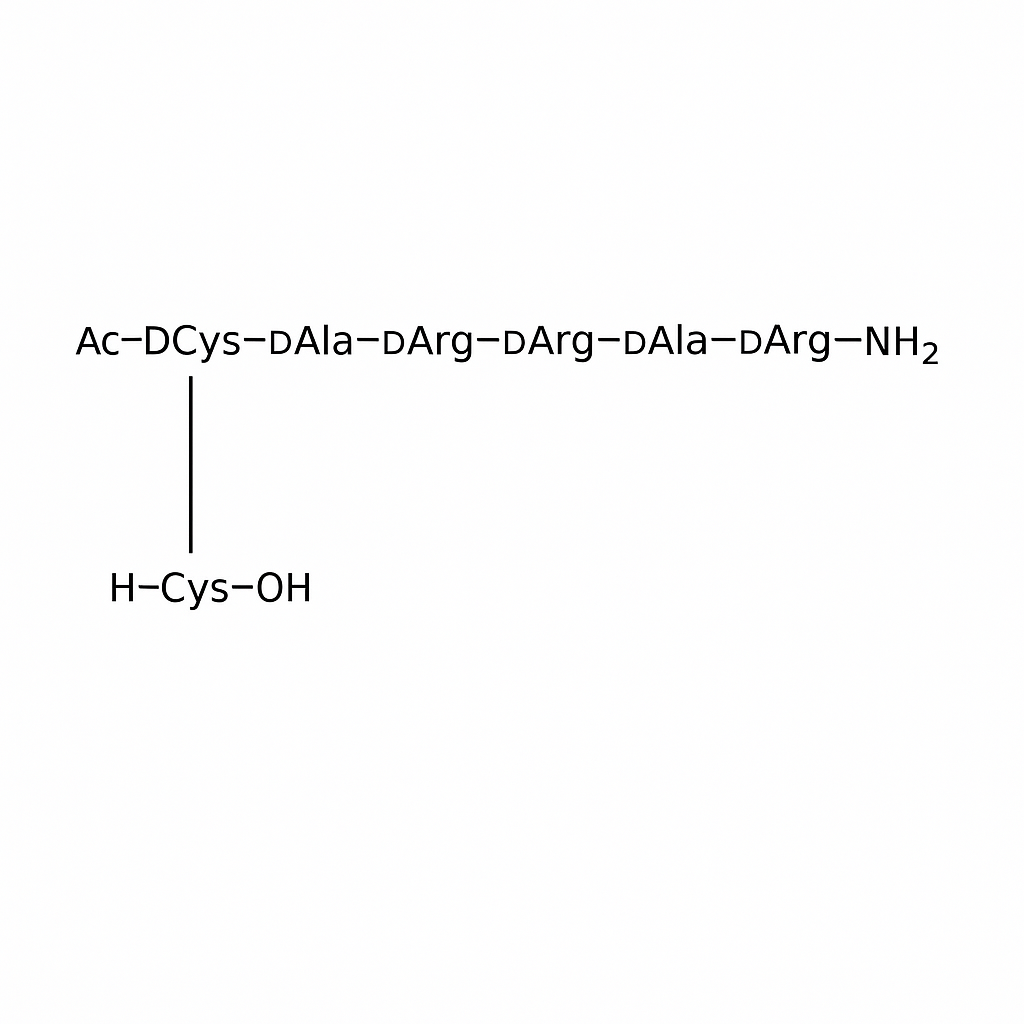

Etelcalcetide Hydrochloride is a synthetic peptide-based calcimimetic agent used for the treatment of secondary hyperparathyroidism (SHPT) in patients with chronic kidney disease (CKD) on hemodialysis. It acts by activating calcium-sensing receptors (CaSR) on the parathyroid gland, thereby reducing parathyroid hormone (PTH) levels and improving calcium-phosphate balance. Our Etelcalcetide API is produced through high-purity peptide synthesis and complies with international quality standards for pharmaceutical-grade injectable products.
Etelcalcetide Hydrochloride API is a novel synthetic peptide calcimimetic developed for the treatment of secondary hyperparathyroidism (SHPT) in patients with chronic kidney disease (CKD) undergoing hemodialysis. SHPT is a common and serious complication in CKD patients, characterized by elevated parathyroid hormone (PTH) levels, disrupted calcium-phosphate metabolism, and increased risk of bone and cardiovascular disease. Etelcalcetide represents a second-generation calcimimetic, administered intravenously, and offers advantages over earlier oral therapies like cinacalcet by improving compliance and reducing gastrointestinal side effects.
Mechanism of Action
Etelcalcetide works by binding to and activating the calcium-sensing receptor (CaSR) located on parathyroid gland cells. This mimics the physiological effect of extracellular calcium, leading to:
Suppression of PTH secretion
Reduction in serum calcium and phosphate levels
Improved mineral balance and bone metabolism
As a peptide-based allosteric activator of CaSR, Etelcalcetide shows high specificity and sustained activity following intravenous administration post-dialysis.
Clinical Research and Therapeutic Effect
Etelcalcetide has been extensively evaluated in phase 3 clinical trials, including EVOLVE, AMPLIFY, and EQUIP studies. Key findings include:
Sustained PTH Reduction
Significant and sustained reduction in PTH levels in CKD patients on hemodialysis.
Mineral Homeostasis
Effective control of serum calcium and phosphorus, contributing to improved bone-mineral homeostasis.
Enhanced Tolerability
Better tolerability compared to oral calcimimetics, exhibiting less nausea and vomiting.
Improved Adherence
Improved patient adherence due to thrice-weekly IV administration during dialysis sessions.
These benefits make Etelcalcetide an important therapeutic option for nephrologists managing SHPT in dialysis populations.
Quality and Manufacturing
Our Etelcalcetide Hydrochloride API characteristics include:
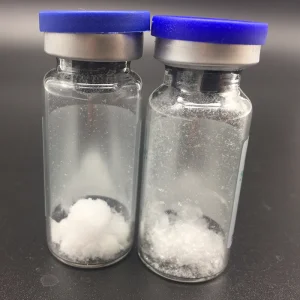
Synthesized through solid-phase peptide synthesis (SPPS) with high purity
Conforms to pharmaceutical-grade specifications, suitable for injectable formulations
Shows low levels of residual solvents, impurities, and endotoxins
Scalable for GMP-compliant large-batch production
Frequently Asked Questions (FAQ)
What is Etelcalcetide Hydrochloride API indicated for?
Etelcalcetide Hydrochloride is developed for the treatment of secondary hyperparathyroidism (SHPT) in patients with chronic kidney disease (CKD) who are undergoing hemodialysis.
How does Etelcalcetide Hydrochloride differ from oral calcimimetics like cinacalcet?
Etelcalcetide is a second-generation calcimimetic administered intravenously post-dialysis. It improves patient adherence and offers reduced gastrointestinal side effects, such as lower incidence of nausea and vomiting, compared to oral alternatives.
What is the mechanism of action of Etelcalcetide?
It acts as an allosteric activator of the calcium-sensing receptor (CaSR) on parathyroid gland cells, mimicking extracellular calcium to suppress PTH secretion and reduce serum calcium and phosphate levels.
Which clinical studies support the therapeutic efficacy of Etelcalcetide?
Etelcalcetide has been validated through phase 3 clinical trials, including the EVOLVE, AMPLIFY, and EQUIP studies, showing significant reduction in PTH levels and control of serum mineral homeostasis.
What are the quality specifications of the Etelcalcetide API synthesis?
The API is produced via Solid-Phase Peptide Synthesis (SPPS) with high purity, low residual solvents, low endotoxin levels, and complies with pharmaceutical-grade standards suitable for large-batch GMP manufacturing.