
Wholesale Tesamorelin Manufacturers, Products

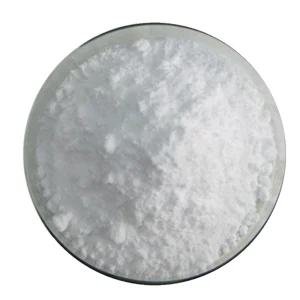
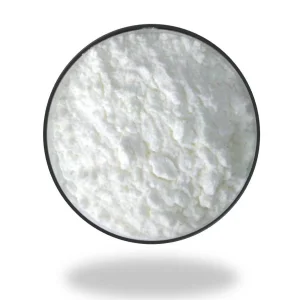
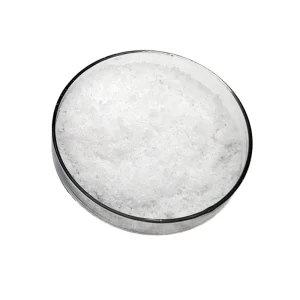
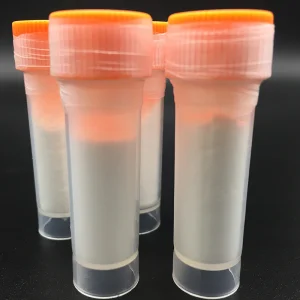
Tesamorelin API uses advanced solid phase peptide synthesis (SPPS) technology and has the following features: Purity ≥99% (HPLC) No endotoxin, heavy metals, residual solvents tested Amino acid sequence and structure confirmed by LC-MS/NMR Provide customized production in grams to kilograms

Product Description

Tesamorelin API

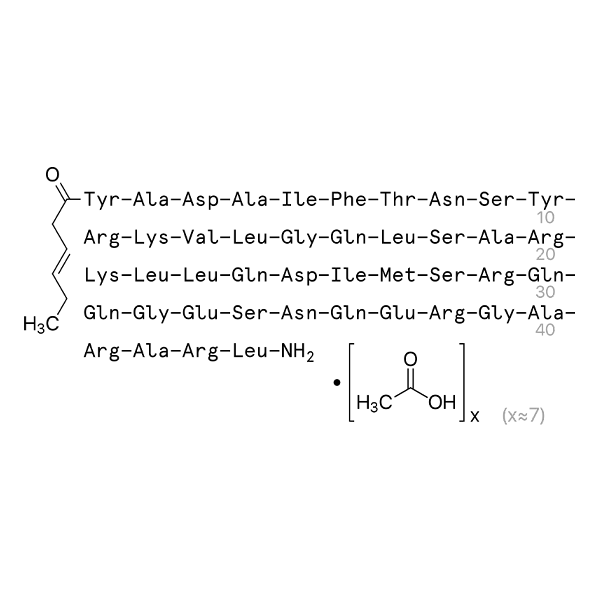
Tesamorelin is a synthetic peptide drug with the structural formula ThGRF(1-44)NH₂. As a potent Growth Hormone Releasing Hormone (GHRH) analog, it simulates endogenous GHRH activity to stimulate the anterior pituitary gland to secrete Growth Hormone (GH). This process subsequently elevates insulin-like growth factor 1 (IGF-1) levels, triggering key metabolic improvements and tissue repair pathways.

Anti-Aging Research Metabolic Syndrome NAFLD / NASH FDA-Approved Indications

Currently approved by the FDA for treating HIV-related lipodystrophy—specifically targeting abdominal visceral adipose tissue (VAT) reduction—Tesamorelin continues to be extensively studied for broader therapeutic applications across metabolic and systemic health domains.

Mechanism of Action

Tesamorelin comprises a 44-amino acid peptide sequence engineered to closely mirror natural GHRH. Its physiological pathway operates through precise biological targets:

1. Receptor Activation & GH Release

Binds directly to GHRH receptors (GHRHR) in the anterior pituitary gland, triggering the natural secretion of endogenous Growth Hormone (GH).

2. IGF-1 Synthesis

Elevated GH levels stimulate the liver and peripheral tissues to synthesize IGF-1, promoting lipid breakdown, tissue restoration, and cellular repair.

3. Targeted Visceral Fat Mobilization

Acts specifically on visceral adipocytes (abdominal fat mobilization) while maintaining minimal impact on subcutaneous fat layers.

4. Physiological Rhythm Preservation

Unlike direct exogenous GH injections, Tesamorelin preserves natural pulsatile GH secretion, drastically reducing side effects such as severe fluid retention and insulin resistance.

Research and Clinical Efficacy
1. HIV-Related Lipodystrophy
  • Reduces abdominal Visceral Adipose Tissue (VAT) by an average of 15–20%.
  • Elevates circulating IGF-1 levels to improve overall systemic metabolism.
  • Improves body shape without reducing subcutaneous fat, muscle mass, or bone density.
2. NASH & Liver Fibrosis
  • Demonstrated reduction in hepatic fat content verified by MRI-PDFF imaging.
  • Enhances hepatocyte insulin sensitivity to mitigate liver tissue damage.
  • Provides strong metabolic protection in clinical NAFLD/NASH evaluations.
3. Metabolic Syndrome
  • Drives significant decreases in serum triglyceride concentrations and abdominal obesity.
  • Optimizes the HOMA-IR index, aiding in the management of insulin resistance.
  • Supports muscle protein synthesis, aiding recovery in chronic clinical profiles.
API Production & Quality Standards

Tesamorelin API is produced via state-of-the-art Solid Phase Peptide Synthesis (SPPS) under stringent Good Manufacturing Practice (GMP) conditions, meeting global pharmaceutical specifications:
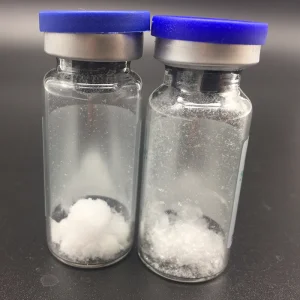
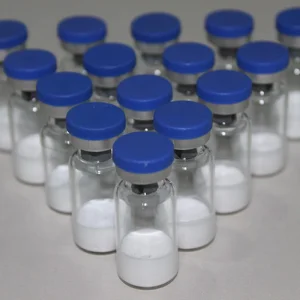
≥ 99%
Purity Level (HPLC)
Compliant
Endotoxin & Heavy Metals Free
Verified
Structure Confirmed (LC-MS/NMR)
Flexible Scale
Gram to Kilogram Production
Frequently Asked Questions
Q1: What primary indication is Tesamorelin approved for by the FDA?
Tesamorelin is FDA-approved specifically for treating HIV-related lipodystrophy to reduce excess abdominal visceral adipose tissue (VAT).
Q2: How does Tesamorelin differ from direct human growth hormone (hGH) therapy?
Unlike direct hGH replacement, Tesamorelin acts as a GHRH analog that stimulates the body's natural endogenous release of Growth Hormone in a pulsatile manner, maintaining physiological regulation and presenting fewer side effects like fluid retention and insulin resistance.
Q3: Does Tesamorelin reduce overall body fat or subcutaneous fat?
No. Tesamorelin selectively targets visceral fat (VAT) around internal abdominal organs. Clinical studies show minimal impact on subcutaneous fat layers, muscle mass, or bone mineral density.
Q4: What research supports Tesamorelin in liver and metabolic health?
Clinical trials indicate Tesamorelin effectively decreases liver fat content (as measured by MRI-PDFF), improves insulin sensitivity markers (HOMA-IR), and reduces serum triglyceride levels in patients with metabolic disorders such as NAFLD and NASH.
Q5: What are the main quality control parameters for Tesamorelin API synthesis?
High-grade Tesamorelin API is synthesized via Solid Phase Peptide Synthesis (SPPS) under GMP guidelines, maintaining a purity level of ≥99% via HPLC, negative results for endotoxins and heavy metals, and complete structural verification via LC-MS and NMR analysis.

Related Products