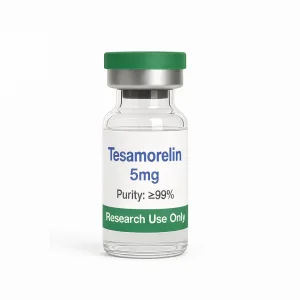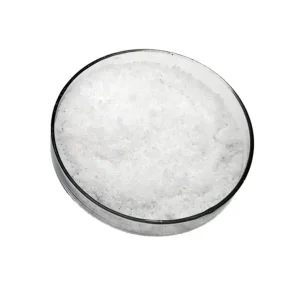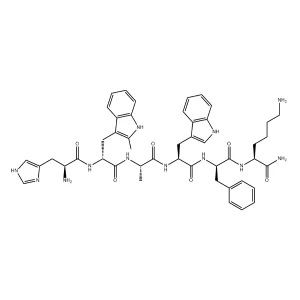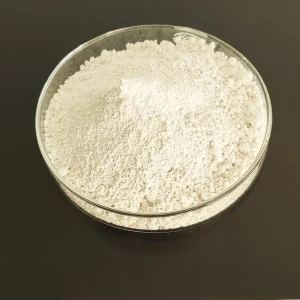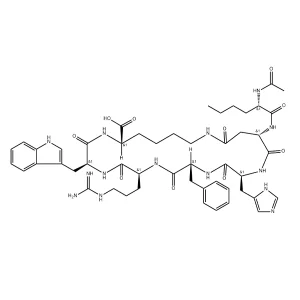
Therapeutic grade bioactive peptides manufactured under rigorous cGMP protocols with HPLC purity exceeding 99.5%
Analyzing the evolution of therapeutic and metabolic performance peptides in the global B2B biopharmaceutical landscape
The global pharmaceutical landscape has witnessed a monumental shift toward peptide-based therapeutics and metabolic modulators. Historically categorized within niche clinical boundaries, synthetic peptides—including Growth Hormone Releasing Peptides (GHRPs), Growth Hormone Secretagogues (GHS), and mitochondrial-targeted peptides—have emerged as pivotal tools in advanced sarcopenia interventions, metabolic optimization, and cellular tissue regeneration research. As international research standards intensify, institutional buyers and commercial distributors require absolute clarity regarding synthesis purity, sequence integrity, and bio-identity.
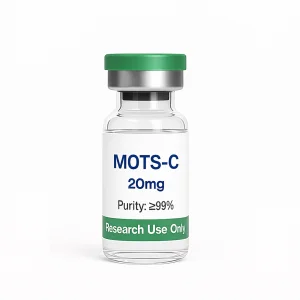
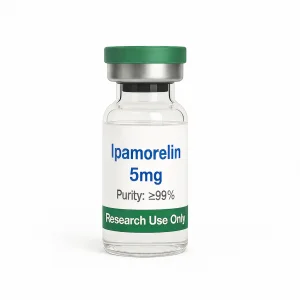
For B2B procurement professionals, identifying a reputable bodybuilding peptides exporter involves navigating complex global regulatory frameworks, stringent quality control protocols, and robust logistics infrastructure. High-performance bioactive peptides like CJC-1295, Ipamorelin, Tesamorelin, and MOTS-C are no longer mere experimental chemicals; they represent highly engineered bioactive sequences requiring precise solid-phase synthesis, advanced lyophilizaton, and validated endotoxin control.
Despite expanding commercial demand, the peptide manufacturing sector faces severe operational hurdles. The prevalence of non-compliant synthesis facilities, batch-to-batch sequence variations, residual solvent contamination (such as trifluoroacetic acid or piperidine residues), and unstable cold-chain logistics frequently compromise product efficacy. To establish competitive advantage in this evolving market, leading exporters must transition from low-margin chemical trading to integrated technical solutions—combining raw API manufacturing with Finished Dosage Form (FDF) licensing, formulation development, and white-label regulatory dossier support.
State-of-the-art Solid-Phase Peptide Synthesis (SPPS), Purification, and Analytical Chemistry Standards
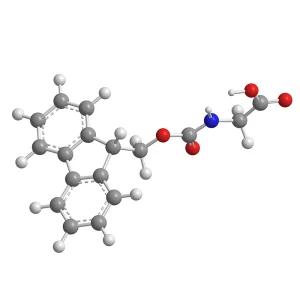
Utilizing high-efficiency Fmoc/tBu chemistry protocols on automated peptide synthesizers to minimize aggregation and maximize coupling rates on difficult hydrophobic peptide sequences.
Two-stage preparative reverse-phase High-Performance Liquid Chromatography (RP-HPLC) ensures exact isolation of the target peak, removing truncated or deletion sequences to guarantee >99.0% purity.
Advanced freeze-drying technology under sterile conditions to produce uniform, rapidly re-constitutable cakes with controlled residual moisture contents below 3.0% and minimal TFA salt content.
Every commercial batch released by enterprise-grade exporters must undergo exhaustive analytical characterization. Below is the standard quality verification parameter matrix required for institutional distribution:
| Test Parameter | Analytical Methodology | Enterprise Acceptance Criteria |
|---|---|---|
| Chemical Purity | Reverse-Phase HPLC (RP-HPLC) | ≥ 98.0% to 99.5% (Sequence Specific) |
| Molecular Weight Verification | Electrospray Ionization Mass Spec (ESI-MS) / MALDI-TOF | Matches Theoretical Monoisotopic Mass (± 0.5 Da) |
| Bacterial Endotoxins | Limulus Amebocyte Lysate (LAL) Assay | < 5.0 EU/mg (Therapeutic Grade) |
| Amino Acid Analysis (AAA) | Ion-Exchange Chromatography / UPLC | Net Peptide Content ≥ 85.0% (Balance: Counter-ions & Water) |
| Residual Solvents | Gas Chromatography-Headspace (GC-HS) | Complies with ICH Q3C Guidelines (DMF < 880 ppm, Acetonitrile < 410 ppm) |
Navigating cross-border pharmaceutical customs, cold-chain preservation, and regional distribution networks
Global pharmaceutical compliance demands complete batch traceability and transparent quality systems. Commercial clients importing peptides for research, compounding, or formulation must ensure their supplier maintains comprehensive regulatory documentation:
Thermal stability is a critical factor in peptide distribution. Biologically active sequences degrade rapidly when exposed to temperature fluctuations, moisture, or shear stress. Leading B2B suppliers resolve global distribution challenges through structured localization strategies:
How institutional partners deploy high-purity peptides across diverse scientific and commercial domains
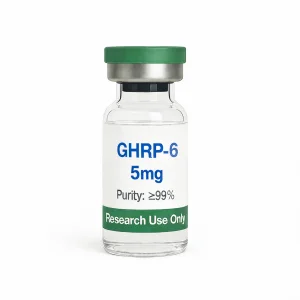
Peptides such as CJC-1295 (DAC / No DAC), GHRP-6, Hexarelin, and Ipamorelin are widely used in endocrinology research to investigate natural pulsatile growth hormone secretion, somatopause mitigation, and receptor binding kinetics without inducing significant cortisol or prolactin spikes.
Mitochondrial-derived peptides like MOTS-C and Tesamorelin focus on lipid metabolic pathways, body composition optimization, and cellular energy homeostasis. Industrial research institutions deploy these compounds to study insulin sensitivity and visceral adipose mobilization.
Advanced bioactive sequences including BPC-157, Thymosin Beta-4 (Tβ4), and SS-31 (Elamipretide) serve critical research functions in angiogenesis acceleration, tendon-to-bone healing, cardiac cellular repair, and targeted mitochondrial antioxidant protection.
Connecting the World with Superior Services and Guaranteed Quality
Gentolex's goal is to create opportunities connecting the world with better services and guaranteed products. Up to date, Gentolex Group has been serving customers from more than 10 countries, specially, representatives are established in Mexico and South Africa. Our main services focus on supplying peptides APIs and Custom Peptides, FDF license out, Technical Support & Consultation, Product Line and Lab Setup, Sourcing & Supply Chain Solutions.
With an overall factory construction area of 250,000 square meters designed under international standards, Gentolex offers flexible, scalable, and cost-effective solutions for clients globally. We provide an extensive range of APIs and intermediates for development studies and commercial applications with cGMP standards through long-term strategic collaborations.
250,000 m² global standard facility offering scalable synthesis solutions.
cGMP standard APIs and intermediates with global documentation support.
Tailored peptide sequence optimization and novel drug synthesis services.
Streamlined single-point-of-contact supply chain solutions for global enterprises.
Emerging trends in artificial intelligence peptide design, continuous flow chemistry, and sustainable green manufacturing
The integration of machine learning algorithms and structural prediction models (such as AlphaFold 3 and ESMFold) is revolutionizing peptide discovery and structural stabilization. By predicting peptide conformational dynamics and binding affinities prior to synthesis, computational tools dramatically shorten R&D cycles. Exporters leveraging AI-guided peptide engineering can design novel analogues with enhanced proteolytic stability, longer half-lives, and superior receptor specificity.
Traditional Solid-Phase Peptide Synthesis generates significant organic solvent waste, primarily from DMF, NMP, and dichloromethane. The future of global peptide export relies heavily on eco-friendly, sustainable synthesis methods. Advanced manufacturing sites are rapidly transitioning to water-based peptide synthesis, greener coupling reagents (such as PyOxim and COMU), and continuous flow microreactors. Continuous flow technology enhances thermal distribution and reaction kinetics, yielding cleaner crude products, reducing side-reactions, and dramatically lowering manufacturing carbon footprints.
Expert answers to critical B2B sourcing, quality assurance, and technical regulatory questions
Latest technical updates, product announcements, and peptide research breakthroughs

Introduction to Selank Acetate API Selank Acetate API is a synthetic heptapeptide active pharmaceutical ingredient (API) composed of the amino acid sequence Thr-Lys-Pro-Arg-Pro-Gly-Pro (TKPRPGP). Originally developed through neuropharmacological research, Selank is a derivative of the endogenous...
View Details
Trusted Thymosin Beta-4 API Manufacturer and Global Peptide Supplier As a professional Thymosin Beta-4 API manufacturer and supplier, we provide high-quality Thymosin Beta-4 peptide API solutions for biotechnology companies, pharmaceutical research organizations, and li...
View Details
Introduction BPC-157 API is a synthetic pentadecapeptide that has gained increasing attention in peptide research due to its potential biological activities related to tissue repair, gastrointestinal protection, angiogenesis, and inflammatory regulation. As a peptide ac...
View Details
With the continuous development of neuroscience, peptide technology, and life science research, neuroactive peptides have become an important area of scientific investigation. Semax, a synthetic peptide derived from an ACTH fragment, has attracted attention among researchers due to its unique mol...
View Details
SS-31 API, also known as Elamipretide, MTP-131, Bendavia, and SS31, is a synthetic mitochondria-targeting tetrapeptide designed to bind cardiolipin in the inner mitochondrial membrane. By stabilizing mitochondrial structure and supporting cellular bioenergetics, SS-31 ha...
View DetailsCollaborating with international research institutes and certified pharmaceutical leaders


Comprehensive pharmaceutical raw materials manufactured under strict quality assurance controls