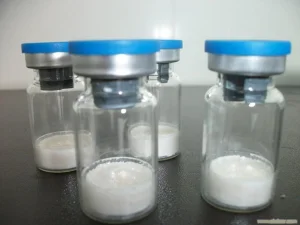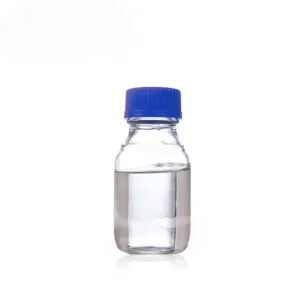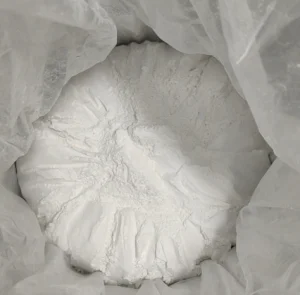
Directly supplied from premier Chinese manufacturing hubs under rigorous international compliance standards.
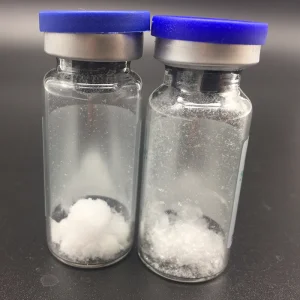
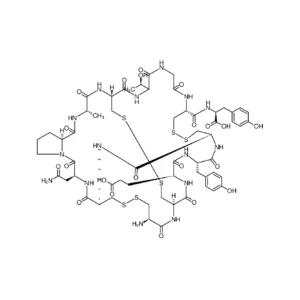
L-Malic Acid (chemically known as (2S)-2-hydroxybutanedioic acid, CAS registry number: 97-67-6) represents an indispensable naturally occurring dicarboxylic acid. Unlike its synthetic racemic counterpart, DL-Malic acid (CAS: 617-48-1), L-Malic acid is the biologically active isomer involved directly in the citric acid cycle (Krebs cycle) of eukaryotic organisms. As global regulatory standards shift toward natural identity, stereospecific efficacy, and environmental sustainability, procurement directors in food science, pharmaceutical formulation, and advanced material engineering are prioritizing biochemically pure L-Malic Acid sourced from advanced Chinese manufacturing plants.
This technical whitepaper provides an exhaustive procurement framework, biochemical evaluation, and economic analysis of China's modern L-Malic Acid manufacturing ecosystem. By deploying state-of-the-art enzymatic biotransformation platforms, leading Chinese factories have established unparalleled production efficiency, cost leadership, and quality consistency, reaching purity thresholds exceeding 99.5% with zero maleic acid residues.
The chemical distinction between racemic DL-Malic acid and enantiomerically pure L-Malic acid is critical for downstream high-value applications:
Modern Chinese manufacturing facilities have migrated away from crude chemical synthesis toward one-step enzymatic transformation of fumaric acid using immobilized microbial enzymes (such as Brevibacterium flavum, Escherichia coli, or specialized strain variants expressing high-activity Fumarate Hydratase / Fumarase EC 4.2.1.2). This green chemical engineering route guarantees 100% optical selectivity, ensuring complete absence of D-isomer contamination while dramatically suppressing energy consumption and byproduct formation.
China has emerged as the premier global powerhouse for L-Malic acid production. This market dominance is backed by structural, technological, and logistical advantages:
Chinese factories are vertically integrated with massive domestic corn-starch and bio-fermentation ecosystems. Glucose converted from corn starch serves as the feedstock for fumaric acid synthesis, creating a secure, localized supply loop unaffected by international petroleum price swings or imported chemical intermediate shortages.
Leading Chinese exporters utilize continuous fixed-bed reactors equipped with nano-matrix immobilized enzymes. This setup maximizes catalytic turnover rates, reduces operational downtime, and provides strict thermal control, maintaining batch-to-batch consistency across multi-thousand-ton production runs.
Top-tier Chinese manufacturers operate state-of-the-art analytical testing centers equipped with High-Performance Liquid Chromatography (HPLC), Gas Chromatography (GC), Inductively Coupled Plasma Mass Spectrometry (ICP-MS), and Fourier Transform Infrared Spectroscopy (FTIR). Facilities hold comprehensive global certifications, including:
To assist procurement managers in setting precise Quality Assurance (QA) parameters, the table below outlines the analytical standards maintained by top Chinese L-Malic Acid exporters against international pharmacopeias (USP, EP, FCC XI):
| Analytical Parameter | Food Grade (FCC XI) Standard | Pharma Grade (USP / EP) Standard | Test Methodology |
|---|---|---|---|
| Chemical Assay (Dry Basis) | 99.0% – 100.5% | 99.5% – 100.5% | Sodium Hydroxide Titration |
| Specific Rotation $[\alpha]_D^{20}$ | -2.0° to -2.6° | -2.2° to -2.5° | Polarimetry (c=8.5 in H2O) |
| Melting Point Range | 100.0°C – 104.0°C | 101.0°C – 103.0°C | Capillary Melting Apparatus |
| Fumaric Acid Content | ≤ 1.0% | ≤ 0.5% | HPLC Detection |
| Maleic Acid Content | ≤ 0.05% | ≤ 0.01% (Strict Limit) | HPLC Detection |
| Heavy Metals (as Pb) | ≤ 10 ppm | ≤ 5 ppm | ICP-MS Spectrometry |
| Arsenic (As) | ≤ 2 ppm | ≤ 1 ppm | Atomic Absorption Spectrometry |
| Residue on Ignition (Ash) | ≤ 0.1% | ≤ 0.05% | Gravimetric (800°C Furnace) |
| Water Solubility | Soluble in Water & Ethanol | Completely Clear Solution | Visual / Turbidimetric |
L-Malic Acid offers distinct bio-functional advantage over alternative acidulants such as Citric Acid or Synthetic DL-Malic Acid. Modern global applications span five major industrial verticals:
In carbonated beverages, non-carbonated juices, RTD teas, and confectionery, L-Malic Acid serves as a high-performance flavor enhancer and acidulant. Its unique acidity profile features a delayed onset and sustained sour taste curve, seamlessly blending with artificial and natural sweeteners (such as Stevia, Monk Fruit, and Sucralose) to mask lingering metallic off-notes.
L-Malic Acid acts as a vital precursor for synthesizing bioavailable organic mineral salts, including Magnesium L-Malate, Calcium L-Malate, and Zinc L-Malate. These organic malates demonstrate superior intestinal absorption rates compared to inorganic oxides or sulfates. Additionally, L-Malic Acid serves as an intermediate in synthetic API pathways and as a buffering agent in sterile parenteral solutions.
As a crucial intermediate in the mitochondrial Krebs Cycle, L-Malic acid supplementation assists in the regeneration of Adenosine Triphosphate (ATP) during high-intensity aerobic and anaerobic muscular exertion. Combined with L-Citrulline (Citrulline Malate), it helps alleviate muscle fatigue and reduce intracellular ammonia accumulation in performance supplements.
As an Alpha Hydroxy Acid (AHA) with mild keratolytic properties, L-Malic Acid is extensively used in chemical peels, anti-aging serums, and skin-lightening formulations. It promotes cell turnover while maintaining skin barrier pH integrity with lower irritation indices than Glycolic Acid.
In green material science, ultra-pure L-Malic Acid is polycondensed to produce Poly(L-malic acid) (PMA)—a fully bio-based, bio-absorbable, and water-soluble polymer utilized in targeted drug delivery systems, tissue engineering scaffolds, and high-performance eco-packaging.
Selecting the optimal acidulant requires evaluating key chemical properties against alternative organic acids:
| Organic Acid | Solubility (g/100mL at 20°C) | Sourness Retention | Metabolic Pathway Compatibility | Hygroscopicity Level |
|---|---|---|---|---|
| L-Malic Acid | 55.8 g | Long-lasting, smooth profile | 100% Direct Krebs Cycle Entry | Moderate (Controlled caking) |
| DL-Malic Acid | 55.8 g | Identical taste, synthetic origin | Requires D-isomer clearance | Moderate |
| Citric Acid | 59.2 g | Sharp, immediate, fast burst | Direct Krebs Cycle Entry | High (Prone to agglomeration) |
| Tartaric Acid | 133.0 g | Astringent, sharp tartness | Limited Direct Metabolism | Low |
Combining advanced bio-engineering, strict regulatory compliance, and seamless cross-border logistics support.
Every batch undergoes dual-stage HPLC verification, ensuring strict adherence to USP, EP, and FCC specifications with guaranteed low heavy metal thresholds.
Direct dispatch from high-capacity coastal industrial parks in China with dedicated warehouse hubs in Mexico and South Africa for optimized delivery timelines.
Full technical backing provided, including COA, MSDS, Allergen Statements, Non-GMO verification, Kosher/Halal certification, and REACH documentation.
Creating opportunities connecting the world with reliable services and guaranteed high-purity chemical products.
Gentolex’s overarching mission is to bridge international chemical demand with verified top-tier manufacturing excellence. Up to date, Gentolex Group has been serving customers from more than 10 countries, with established international representatives in Mexico and South Africa.
Our comprehensive services focus on supplying high-purity peptide APIs, Custom Peptides, FDF license out, Technical Support & Consultation, Product Line and Lab Setup, as well as end-to-end Sourcing & Supply Chain Solutions.
With an overall factory construction area spanning 250,000 square meters operating under strict international standards, we deliver flexible, scalable, and highly cost-effective solutions for global pharmaceutical and chemical enterprises.


Stay informed with technical research summaries from our specialized peptide and API synthesis laboratories.

Selank Acetate API is a synthetic heptapeptide active pharmaceutical ingredient composed of the sequence Thr-Lys-Pro-Arg-Pro-Gly-Pro. Developed for neuropharmacological applications...
View Technical Article →
As a professional Thymosin Beta-4 API manufacturer, we provide cGMP-compliant Tβ4 peptide solutions for global biotech companies and medical research institutions...
View Technical Article →
BPC-157 is a synthetic pentadecapeptide of key interest in tissue repair and gastrointestinal protection research. Learn about our mass-production chromatographic purification...
View Technical Article →
Investigating neuroactive peptides: Semax, an ACTH derivative, continues to draw high scientific interest. Explore molecular synthesis and stability profiles...
View Technical Article →
SS-31 API (Elamipretide/Bendavia) is a mitochondria-targeting tetrapeptide designed to bind cardiolipin in the inner mitochondrial membrane, optimizing bioenergetics...
View Technical Article →Direct answers to crucial technical, regulatory, and logistics queries for international chemical buyers.
L-Malic Acid is the natural, biologically active stereoisomer directly recognized by human mitochondrial metabolic pathways (Krebs Cycle). In contrast, DL-Malic Acid is a synthetic racemic mixture containing 50% D-Malic acid. L-Malic Acid offers superior biological safety, smoother acidity profiles, and compliance with high-end food and pharmaceutical applications requiring bio-identical ingredients.
Leading Chinese exporters employ continuous enzymatic conversion utilizing high-selectivity immobilized Fumarase enzymes rather than traditional harsh acid/thermal synthesis. This process operates under mild pH and temperature conditions, preventing maleic acid byproduct formation and guaranteeing residual maleic acid levels strictly below 0.05% (and under 0.01% for pharma grade).
Factories supply tailored granulometry ranging from Fine Powder (80–100 mesh) for dry beverage mixes and tablets, to Granular grades (20–60 mesh) designed to minimize dust and prevent moisture-induced caking during bulk industrial handling and automated bag-dumping operations.
Standard packaging includes 25kg multi-wall kraft paper bags with inner polyethylene moisture-barrier liners, 500kg/1000kg super-sacks (Jumbo Bags) with anti-static liners, and fiber drums for specialized pharmaceutical grades. Palletized loads are shrink-wrapped and desiccated for trans-oceanic shipping stability.
Gentolex provides full regulatory dossier management, including EU-REACH compliance registration, US FDA registration support, CEP/DMF document access for APIs, complete COAs, country-of-origin certificates, and local clearing support via regional offices in North/South America and Africa.


Explore our full line of fine chemicals, peptide building blocks, and custom synthesis solutions.